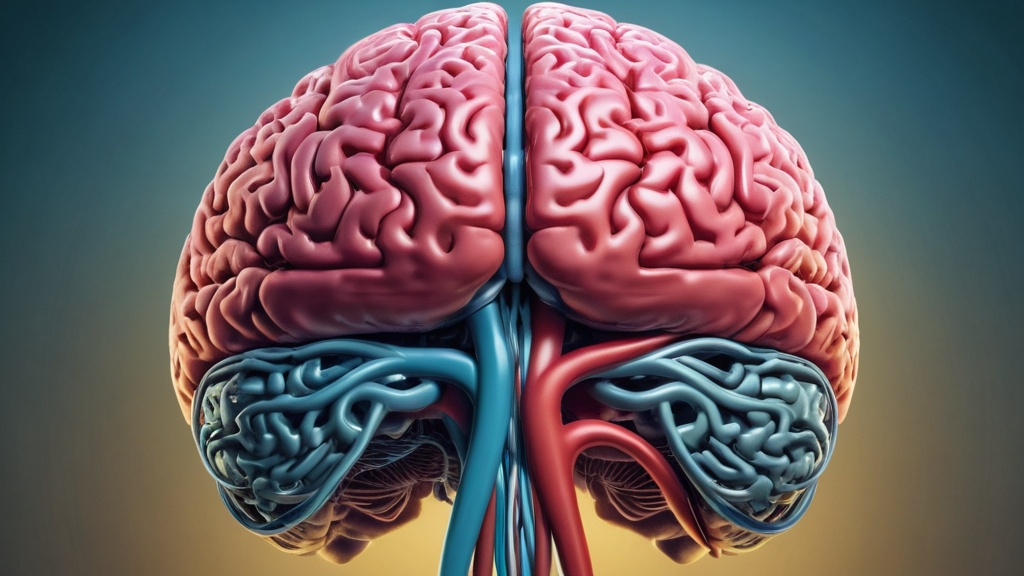

Your gut and your brain talk to each other. This constant conversation impacts your mood, thoughts, and overall health. Let’s explore this amazing connection, called the gut-brain axis.
The gut-brain axis is a two-way street. It connects your central nervous system to your enteric nervous system. This ensures constant communication between your brain and your digestive system. Think of it as a superhighway of information.
Many different pathways facilitate this communication. Nerves, hormones, and immune cells all play a role. Your gut microbes also get involved. They produce chemicals that influence your brain.
This connection is ancient and complex. Scientists are still uncovering all its secrets. Understanding it helps us grasp our overall well-being.
The Gut Microbiome: Your Inner Ecosystem
Your gut hosts trillions of tiny organisms. This community is called the gut microbiome. Most are bacteria, but fungi and viruses also exist. They live primarily in your large intestine.
These microbes perform essential functions. They help digest food and produce vitamins. They also train your immune system. A diverse microbiome generally means a healthier gut.
Imagine a bustling city inside you. Each different microbe has a job. A healthy city has many different kinds of workers.
How Gut Microbes Influence Your Brain
Gut microbes produce various compounds. These compounds affect brain function. Short-chain fatty acids (SCFAs) are a key example. Butyrate, propionate, and acetate are common SCFAs.
SCFAs, like those produced from fiber, nourish gut cells. They also cross into the bloodstream. From there, they can reach the brain. They influence brain cell development and function.
Some microbes produce neurotransmitters. These are brain chemicals that transmit signals. Serotonin and GABA are two important examples. Your gut actually makes most of your body’s serotonin.
This serotonin impacts mood, sleep, and appetite. A healthy gut microbiome helps regulate these processes. It’s like tiny chemical factories working on your behalf.
Probiotics and Prebiotics: Supporting Your Microbiome
Probiotics are beneficial live microorganisms. You find them in fermented foods. Yogurt, kimchi, and kombucha are good sources. They add helpful bacteria to your gut.
Prebiotics are fibers that feed good bacteria. They are non-digestible food ingredients. Onions, garlic, and bananas contain prebiotics. Think of them as fertilizer for your gut garden.
Consuming both can support a healthy microbiome. For example, eating yogurt (probiotic) with a banana (prebiotic) is a great combo. This promotes a balanced internal ecosystem.
The Vagus Nerve: A Direct Line of Communication
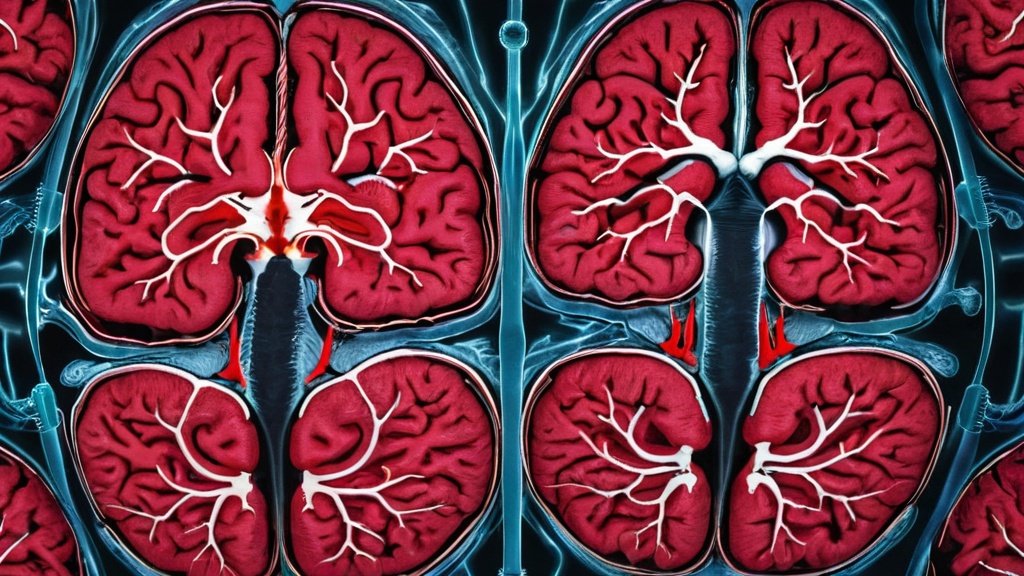
The vagus nerve is a major player. It’s the longest cranial nerve. It connects your brain stem to many organs. These include your heart, lungs, and digestive tract.
This nerve acts like a direct telephone line. It sends signals in both directions. Your brain talks to your gut, and your gut talks back. It’s a literal gut feeling pathway.
For example, stress can slow digestion. This happens through the vagus nerve. Conversely, a healthy gut can send calming signals to the brain.
How Stress Impacts the Vagus Nerve
Chronic stress can suppress vagal tone. This means the vagus nerve becomes less active. A low vagal tone links to various health issues. These include inflammation and mood disorders.
Stress hormones, like cortisol, play a role here. They can alter gut motility. They also change the gut microbiome composition. This creates a cycle of distress.
Deep breathing exercises can stimulate the vagus nerve. So can meditation and yoga. These practices promote relaxation. They help strengthen this important nerve.
Gut Health and Mental Well-being
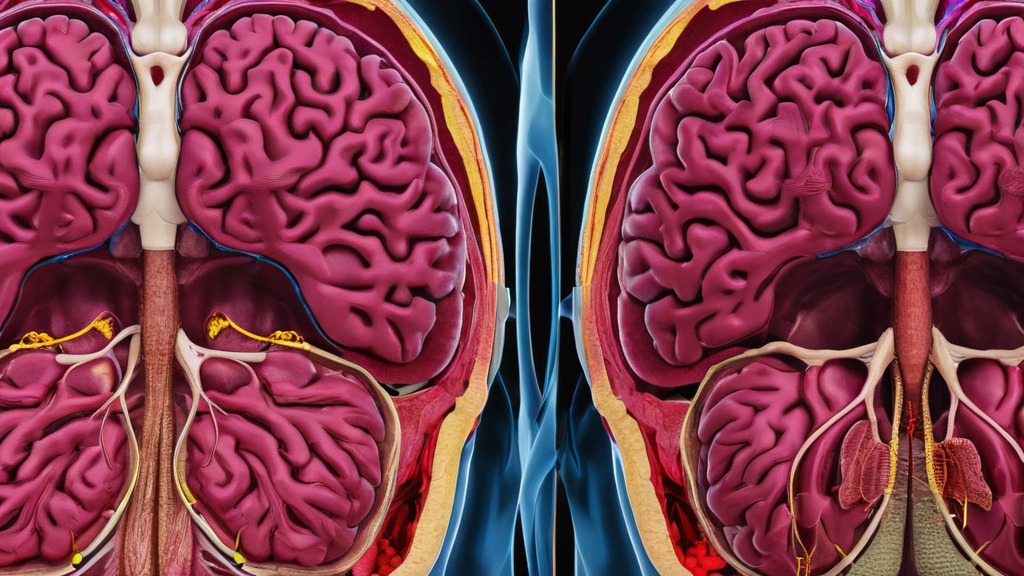
A healthy gut often means a healthy mind. Research increasingly supports this link. Many mental health conditions show gut dysbiosis. This means an imbalance of gut microbes.
For example, individuals with depression often have different microbiomes. These differences may contribute to symptoms. It’s not just a coincidence.
Improving gut health could be a new approach. It may complement existing mental health treatments. Always talk to a doctor for personalized advice.
Anxiety and the Gut
Anxiety often manifests with gut symptoms. Butterflies in your stomach are a common example. This shows the fast gut-brain connection. The vagus nerve plays a big role.
Irritable Bowel Syndrome (IBS) often co-occurs with anxiety. Stress can trigger IBS symptoms. This highlights how emotional states impact gut function. Addressing gut health can sometimes ease anxiety.
Specific probiotic strains may even help. Some reduce anxiety-like behaviors in studies. More research is ongoing in this promising area.
Mood and Gut Microbiota
Your gut microbes produce chemicals affecting mood. Serotonin is a key neurotransmitter. About 90% of it is made in the gut. This serotonin impacts happiness and well-being.
Low levels of serotonin link to depression. A healthy gut can support serotonin production. This may indirectly influence your mood. It’s one piece of a complex puzzle.
Diet plays a crucial role. Foods rich in tryptophan can help. This amino acid is a serotonin precursor. Turkey, eggs, and cheese are good sources.
Actionable Tips for a Healthy Gut-Brain Connection
| Metrics | Data |
|---|---|
| Gut Microbiota Diversity | High |
| Neurotransmitter Production | Increased |
| Intestinal Permeability | Low |
| Neurological Disorders | Reduced |
Nourishing your gut also nourishes your brain. Small changes can make a big difference. Focus on a holistic approach.
These tips are for general well-being. They do not replace medical advice. Always consult a healthcare professional for specific concerns.
Eat a Diverse, Plant-Rich Diet
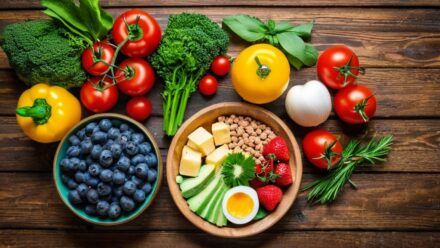
Fruits, vegetables, and whole grains are your allies. They provide fiber, which feeds beneficial bacteria. Aim for a wide variety of plant foods. Each plant offers unique nutrients.
Different fibers nourish different microbes. A diverse diet builds a diverse microbiome. Think of eating the rainbow. Lentils, berries, and broccoli are all great choices.
Avoid highly processed foods. They often lack fiber and can harm gut bacteria. They also contain unhealthy fats and sugars. Choose whole, unprocessed options whenever possible.
Incorporate Fermented Foods
Fermented foods are natural sources of probiotics. Yogurt, kefir, sauerkraut, and kimchi are excellent. They introduce beneficial bacteria to your gut. Choose plain, unsweetened varieties.
Start with small portions. Gradually increase your intake. This allows your gut to adjust. Listen to your body’s response.
Fermented foods also offer other nutrients. They can enhance nutrient absorption. This further benefits your overall health.
Manage Stress Effectively
Stress negatively impacts your gut. It affects gut motility and permeability. Find healthy ways to cope with stress. Exercise, meditation, and deep breathing are great options.
Allocate time for relaxation. Even 10-15 minutes daily can help. Listen to music, read a book, or spend time in nature. Prioritize self-care.
Adequate sleep is also crucial. Sleep deprivation increases stress hormones. Aim for 7-9 hours of quality sleep per night. A regular sleep schedule helps.
Get Regular Physical Activity
Exercise benefits both your gut and your brain. It promotes a more diverse gut microbiome. It also reduces inflammation and improves mood. Any form of movement helps.
Walking, swimming, or cycling are good starts. Aim for at least 30 minutes most days. Find an activity you enjoy. Consistency is more important than intensity.
Exercise also helps manage stress. It releases endorphins, natural mood boosters. This creates a positive feedback loop for your gut and brain.
Stay Hydrated
Water is essential for digestion. It helps move food through your gut. It also helps with nutrient absorption. Dehydration can lead to constipation.
Drink plenty of water throughout the day. Aim for at least 8 glasses. Limit sugary drinks and excessive caffeine. Water keeps everything flowing smoothly.
Proper hydration supports overall bodily functions. This includes maintaining a healthy gut lining. A well-hydrated body is a happy body.
Consider Probiotic Supplements (with caution)
Discuss probiotic supplements with a doctor. They may be helpful in specific cases. For example, after antibiotic use. Choose reputable brands with well-studied strains.
Not all probiotics are created equal. Different strains have different effects. A healthcare professional can guide your choice. They can help you select the right supplement.
Supplements are not a replacement for a healthy diet. Food sources are usually preferred. They provide a whole host of beneficial compounds.
The Future of Gut-Brain Research
The gut-brain axis is a rapidly evolving field. Scientists are making new discoveries constantly. This research holds immense promise. It could unlock new treatments for many conditions.
Targeting the microbiome may become common. This could help with neurological and psychiatric disorders. It could also improve overall health. We are just scratching the surface.
Personalized medicine based on your gut microbes is on the horizon. Imagine a future where your diet is tailored to your unique microbiome. This is an exciting prospect.
Understanding this connection empowers us. It shows how our choices impact our entire being. Take good care of your gut. Your brain will thank you for it.
FAQs
What is the gut-brain axis?
The gut-brain axis is a bidirectional communication system between the central nervous system (CNS) and the gastrointestinal tract. It involves neural, hormonal, and immunological signaling pathways.
How does the gut-brain axis work?
The gut-brain axis allows for communication between the gut and the brain through the vagus nerve, neurotransmitters, and hormones. Signals from the gut can influence emotions, mood, and cognitive functions, while the brain can also impact gut function.
What are the implications of the gut-brain axis for health?
The gut-brain axis has been linked to various health conditions, including anxiety, depression, irritable bowel syndrome (IBS), and other gastrointestinal disorders. It also plays a role in regulating appetite, metabolism, and immune function.
How can the gut-brain axis be influenced?
The gut-brain axis can be influenced by diet, stress, medications, and the gut microbiota. Probiotics, prebiotics, and certain dietary components can impact the gut microbiota and subsequently affect the communication between the gut and the brain.
What are some ways to support a healthy gut-brain axis?
Supporting a healthy gut-brain axis involves maintaining a balanced diet, managing stress, getting regular exercise, and promoting a diverse and healthy gut microbiota. This can help support overall mental and physical well-being.