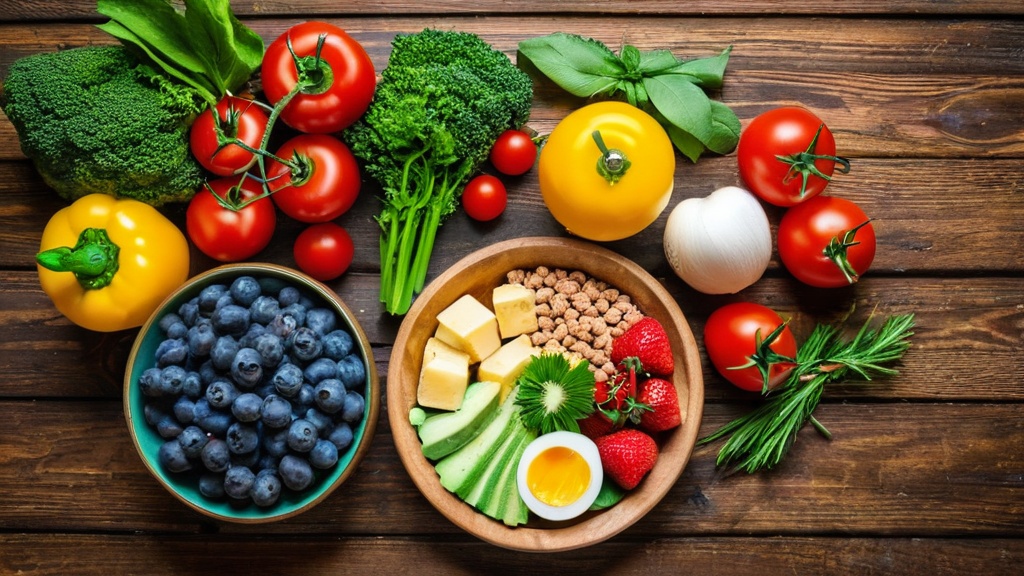

Imagine a life where every year brings more vitality, not less. What if food held the key to a more energetic, vibrant future? We can unlock a powerful path to graceful aging. Smart nutritional choices make a big difference.
Our bodies need essential building blocks. Macronutrients provide energy and support vital functions. These include carbohydrates, proteins, and fats. Each plays a unique role in healthy aging.
Complex Carbohydrates: Sustained Energy for Life
Think of complex carbohydrates as your body’s long-lasting battery. They offer steady energy. Examples include whole grains, fruits, and vegetables. These foods prevent sugar spikes and crashes.
Whole grains like oats and brown rice are excellent choices. They contain fiber. Fiber supports digestive health. It also helps manage blood sugar levels. (Source: Dietary Guidelines for Americans 2020-2025)
Fruits and vegetables provide essential vitamins. They also offer minerals and antioxidants. Choose a colorful variety. This ensures diverse nutrient intake. For example, a crisp apple or a vibrant bell pepper.
Lean Proteins: Building Blocks for Strength
Lean proteins maintain muscle mass. They also repair tissues. As we age, muscle loss can occur. This is called sarcopenia. Protein helps counter this.
Sources include poultry, fish, beans, and lentils. Aim for adequate protein intake daily. A palm-sized portion with each meal is a good guide. For instance, grilled chicken breast or a lentil soup. (Source: Journal of the American Medical Association)
Eggs and dairy also provide high-quality protein. Consider Greek yogurt for a protein boost. It also offers probiotics. These support gut health.
Healthy Fats: Essential for Brain and Heart
Healthy fats are crucial for many bodily functions. They support brain health. They also protect your heart. Focus on unsaturated fats.
Omega-3 fatty acids are especially important. Find them in fatty fish like salmon. Walnuts and flaxseeds also provide omega-3s. These fats reduce inflammation. They may also improve cognitive function. (Source: Mayo Clinic Proceedings)
Avocados and olive oil offer monounsaturated fats. Use them in moderation. They contribute to heart health. A drizzle of olive oil on your salad is a simple addition.
Micronutrient Powerhouses: Vitamins and Minerals for Robust Health
Beyond macronutrients, smaller players make a huge impact. Micronutrients are vitamins and minerals. They facilitate countless reactions in your body. They are vital for long-term health.
Vitamin D: The Sunshine Vitamin for Bones and Immunity
Vitamin D is crucial for bone health. It helps absorb calcium. It also supports immune function. Many older adults have low vitamin D levels.
Sunlight helps your body make vitamin D. But dietary sources are also important. Fatty fish and fortified milk contain it. Consider a supplement if levels are low. (Source: National Institutes of Health, Office of Dietary Supplements)
Think of vitamin D as a key. It unlocks calcium’s benefits for your bones. Regular bone density checks are also wise.
Calcium: Strong Bones for an Active Life
Calcium is essential for strong bones and teeth. It also aids nerve function. Dairy products are well-known sources.
Leafy green vegetables offer calcium too. Examples include kale and broccoli. Fortified plant-based milks are another option. Pair calcium with vitamin D for best absorption.
Imagine your bones as a strong framework. Calcium keeps that framework sturdy. This allows you to stay active and independent.
Antioxidants: Fighting Cellular Damage
Antioxidants protect your cells. They combat free radicals. Free radicals contribute to aging and disease. These compounds come from many sources. Pollution, stress, and even normal metabolism create them.
Vitamins A, C, and E are powerful antioxidants. Berries, citrus fruits, and leafy greens are rich in them. Spices like turmeric also offer antioxidant benefits. (Source: Harvard T.H. Chan School of Public Health)
Consider a colorful plate. Each color often signifies different antioxidants. A vibrant salad is a great way to get many.
Gut Health: The Unsung Hero of Healthy Aging
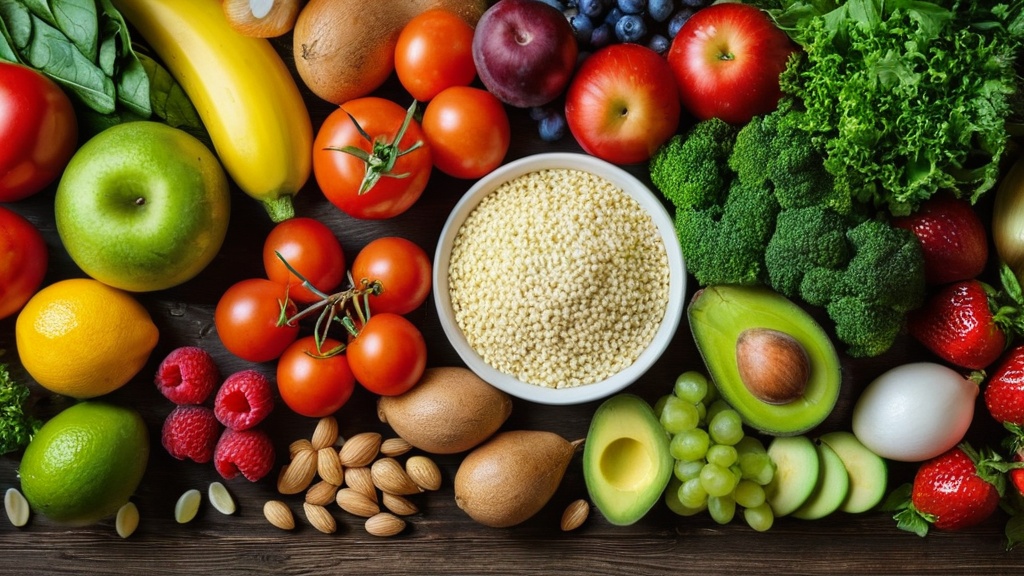
Your gut is more than just a digestive organ. It’s a complex ecosystem. A healthy gut influences immunity, mood, and nutrient absorption. Neglecting it impacts overall health.
Probiotics: Good Bacteria for a Balanced Gut
Probiotics are beneficial bacteria. They help maintain gut balance. They can improve digestion. They may also boost immune function.
Fermented foods are great sources. Yogurt, kefir, and sauerkraut contain probiotics. Choose products with live and active cultures. A small serving daily can be beneficial.
Think of your gut as a garden. Probiotics are the good seeds that help it thrive. They crowd out harmful bacteria.
Prebiotics: Fueling Your Gut’s Good Bacteria
Prebiotics feed the good bacteria in your gut. They promote a healthy microbial environment. They are a type of dietary fiber.
Onions, garlic, and bananas are good sources. Whole grains also contain prebiotics. Including these foods supports a diverse gut microbiome. (Source: British Journal of Nutrition)
Imagine prebiotics as fertilizer for your gut garden. They help the good bacteria grow stronger. This leads to better digestive health.
Fiber: Regularity and More
Dietary fiber is essential. It promotes regular bowel movements. It also supports gut health. Beyond that, fiber helps manage blood sugar and cholesterol levels.
Fruits, vegetables, and whole grains are rich in fiber. Legumes like beans and lentils are also excellent sources. Aim for about 25-30 grams daily. (Source: National Institute on Aging)
Fiber adds bulk to your diet. It also helps you feel full longer. This can aid in weight management.
Hydration: The Foundation of Vitality
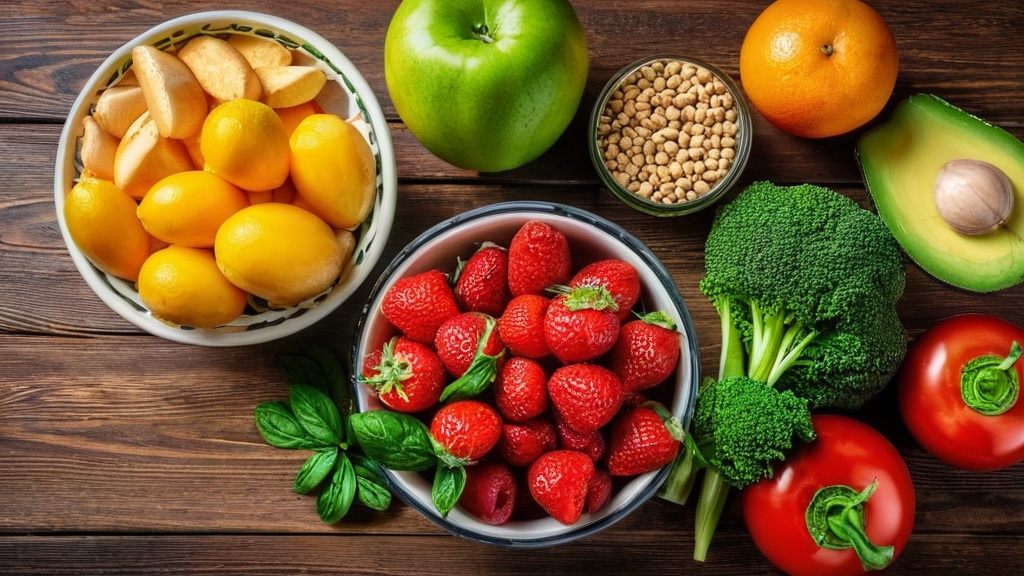
Water is often overlooked. However, it is fundamentally important. Every cell in your body needs water. Proper hydration supports all bodily functions.
The Importance of Adequate Water Intake
Water regulates body temperature. It lubricates joints. It also transports nutrients. Dehydration can lead to fatigue and headaches. It also impairs cognitive function.
Aim for eight glasses of water daily. This is a general guideline. Your needs may vary. Listen to your body’s signals. (Source: Centers for Disease Control and Prevention)
Carry a water bottle as a reminder. Add a squeeze of lemon for flavor. Make water your primary beverage choice.
Beyond Water: Hydrating Foods
Many foods also contribute to hydration. Fruits and vegetables have high water content. Cucumbers, watermelon, and oranges are good examples.
Soups and broths also provide fluids. These can be especially comforting. They also offer additional nutrients.
Think of hydration as oil for a machine. It keeps everything running smoothly. Don’t wait until you feel thirsty.
Mindful Eating: A Holistic Approach to Nourishment
| Age Group | Recommended Daily Calories | Recommended Daily Protein Intake | Recommended Daily Fiber Intake |
|---|---|---|---|
| 50-65 years | 2000-2200 | 46-56 grams | 21-30 grams |
| 65+ years | 1800-2000 | 46-56 grams | 21-30 grams |
Eating is more than just consuming food. It’s an experience. Mindful eating practices can enhance nutrient absorption. They also foster a healthier relationship with food.
Savoring Your Meals: Enjoying Every Bite
Mindful eating involves paying attention to your food. Notice its flavors, textures, and aromas. Eat slowly and without distractions.
This practice can help you recognize fullness cues. It prevents overeating. It also enhances the enjoyment of your meals.
Imagine truly tasting your food. You appreciate its unique qualities. This makes your meal more satisfying.
Eating with Intention: Awareness and Gratitude
Consider where your food comes from. Think about the effort involved in its production. This fosters a sense of gratitude.
Choose foods that nourish your body. This conscious decision makes a difference. It promotes healthier habits.
When you eat with intention, you make deliberate choices. These choices support your well-being. They align with your health goals.
Strategic Snacking: Smart Choices Between Meals
Snacks can be an opportunity. They provide extra nutrients. They can also prevent overeating at main meals. Make smart choices.
Nutrient-Dense Options
Choose snacks that offer nutritional value. Avoid empty calories. Think fruits, vegetables, and nuts.
A handful of almonds is a good example. It provides healthy fats and protein. Carrot sticks with hummus offer fiber and vitamins.
These snacks keep you energized. They also provide essential nutrients. They support your overall health goals.
Timing Your Snacks
Consider when you snack. Are you truly hungry? Or are you bored? Eating too close to bedtime can disrupt sleep.
Listen to your body’s hunger signals. A small, nutritious snack can bridge the gap between meals. This prevents extreme hunger later.
Timing your snacks helps maintain stable blood sugar. It also supports your digestive system.
Practical Tips for Lifelong Nutritional Health
Making changes can be simple. Small, consistent efforts yield big rewards. Adopt habits you can maintain.
Meal Planning: Setting Yourself Up for Success
Plan your meals in advance. This helps you make healthier choices. It also reduces stress.
Create a grocery list. This prevents impulse purchases. You’ll buy what you need for nutritious meals.
Think of meal planning as a roadmap. It guides you to healthier eating. It ensures you have nutritious options available.
Cooking at Home: Controlling Your Ingredients
Cooking at home gives you control. You choose fresh ingredients. You can limit unhealthy fats, sugars, and sodium.
Experiment with new recipes. Discover healthy and delicious dishes. Involve family members in the process.
Home-cooked meals often taste better. They are usually healthier. They can also be more cost-effective.
Reading Food Labels: Becoming an Informed Consumer
Understand what’s in your food. Read ingredient lists and nutrition facts. Look for whole, unprocessed ingredients.
Pay attention to serving sizes. Be mindful of added sugars and unhealthy fats. Make choices that align with your health goals.
Reading labels empowers you. You make educated decisions about your food. This supports your long-term health.
By embracing these nutritional strategies, you actively shape your aging journey. You invest in a future filled with vitality and well-being. It is a journey of empowered choices, one delicious bite at a time.
FAQs
What is aging nutrition?
Aging nutrition refers to the dietary needs and considerations for older adults as their bodies undergo natural changes associated with aging.
Why is nutrition important for aging adults?
Nutrition is important for aging adults because it plays a crucial role in maintaining overall health, managing chronic conditions, and supporting the body’s ability to repair and regenerate tissues.
What are some common nutritional challenges for aging adults?
Common nutritional challenges for aging adults include decreased appetite, changes in taste and smell, difficulty chewing or swallowing, and reduced absorption of certain nutrients.
What are some key nutrients that aging adults should focus on in their diet?
Key nutrients that aging adults should focus on in their diet include protein for muscle maintenance, calcium and vitamin D for bone health, fiber for digestive health, and omega-3 fatty acids for heart and brain health.
How can aging adults improve their nutrition?
Aging adults can improve their nutrition by consuming a variety of nutrient-dense foods, staying hydrated, managing portion sizes, and seeking guidance from a healthcare professional or registered dietitian. Regular physical activity can also support overall nutritional health.