

Supplements offer a potential boost. You might take them for energy or health. But are they always safe? Navigating the supplement aisle can feel overwhelming. This guide helps you choose wisely.
When choosing supplements, your safety comes first. The supplement market is vast. Not all products meet high standards. Being an informed consumer makes a difference.
Understanding the Regulatory Landscape
The U.S. Food and Drug Administration (FDA) oversees supplements. However, their regulation differs from drugs. The Dietary Supplement Health and Education Act (DSHEA) guides these rules. DSHEA requires manufacturers to ensure safety. They also must prove that claims are truthful. The FDA steps in if a supplement proves unsafe.
The Role of the FDA
The FDA monitors supplements after they reach the market. They can issue warning letters. They also recall unsafe products. Recent FDA actions involve draft guidance. This concerns new dietary ingredients. The FDA also issues alerts about safety issues.
Proposed Regulatory Uniformity
Some groups propose new legislation. This aims to standardize supplement rules. It seeks to create one national standard. This would prevent conflicting state laws. The goal is better consumer protection. It also promotes access to safe products.
Verifying Product Quality
Product quality is a huge concern. Many supplements may not contain what they claim. Some might have too little of an ingredient. Others could have too much. A reputable brand prioritizes quality.
The Importance of Good Manufacturing Practices (GMPs)
Good Manufacturing Practices (GMPs) are crucial. These are rules manufacturers must follow. They cover how supplements are made. They ensure proper handling and facilities. GMPs help prevent contamination. They aim for consistent quality.
Third-Party Testing and Certification
Look for third-party certifications. Organizations test supplements independently. They verify ingredient content and purity. Certifications like NSF Certified for Sport or USP are good signs. These labels offer extra assurance.
Examining Ingredient Lists and Dosages
Always check the ingredient list. Ensure it contains what you need. Compare dosages to recommended amounts. Online resources can help with this. Be wary of products with excessive doses.
Identifying Red Flags and Risks
Some signs signal potential problems. Be aware of exaggerated claims. Also, watch out for undefined ingredients. These can be warning signs.
Misleading Health Claims
Supplements cannot claim to cure diseases. They cannot claim to treat or prevent specific illnesses. Statements like “lowers cholesterol” without qualification are suspect. The FDA is considering changes to warning labels. This could reduce disclaimers on unverified claims. Be extra careful in such cases.
Unexpected Side Effects
If a supplement causes side effects, stop using it. Report any adverse events to the FDA. This helps them track safety issues. Unexplained fatigue or digestive upset could be linked.
Unlisted or Harmful Ingredients
Contamination can be a serious risk. Some products may contain undeclared substances. These could be prescription drugs or other harmful chemicals. Always buy from trusted sources.
Navigating Different Supplement Types
Different supplements have unique considerations. Understanding these helps your choices.
Vitamins and Minerals
Vitamins and minerals are essential nutrients. They support many bodily functions. Your body needs them in specific amounts. Too much can sometimes be harmful. Consult a doctor before taking high doses.
Herbal Supplements
Herbal supplements come from plants. Their effects can vary greatly. Quality and potency differ between brands. Research specific herbs before use. Some herbs interact with medications.
Specialty Supplements
These include probiotics, omega-3s, and more. Each has its own research. Understand the purpose of each. Look for well-researched ingredients.
Making Informed Purchasing Decisions
Your shopping habits matter greatly. Making smart choices protects you.
Researching Brands and Retailers
Choose manufacturers with good reputations. Look for companies that are transparent. Check if they follow GMPs. Buy from reputable retailers. Avoid unknown online sellers.
Utilizing Consumer Resources
Organizations offer valuable information. Consumer Reports tests supplements. They publish findings on quality. NOW Foods provides a consumer checklist. This helps avoid low-quality products. It emphasizes brand research.
Knowing When to Consult a Professional
Always talk to your doctor. Discuss any supplements you consider. They know your health history. They can advise on interactions. This is especially important if you take medications.
The Importance of Transparency
Brands should be open about their products. This builds trust with consumers.
What Transparency Looks Like
Clear labeling is key. Manufacturers should state all ingredients. They should also list sourcing when possible. Transparency means honesty.
The Impact of Untested or Adulterated Products
Adulterated products pose serious risks. They may contain harmful substances. Contamination can occur during manufacturing. This can lead to health problems.
Understanding Your Needs
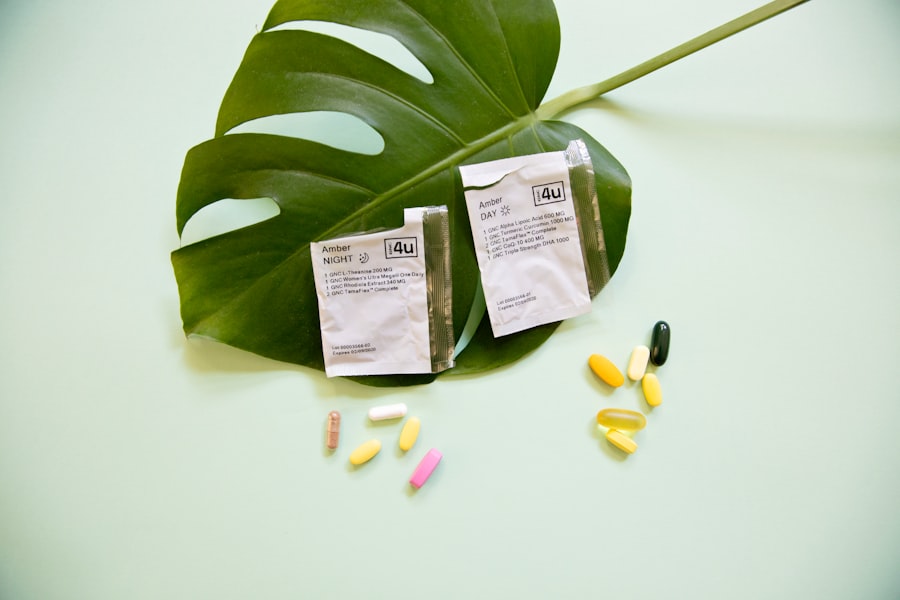
Before buying, assess your personal health. What are you trying to achieve?
Assessing Your Diet
Your diet is the primary source of nutrients. A balanced diet provides most vitamins. Supplements are meant to supplement, not replace. They fill nutritional gaps.
Identifying Specific Health Goals
Are you targeting sleep or energy? Do you want immune support? Clear goals guide your supplement choice. Avoid using supplements aimlessly.
Safe Supplement Practices
Following safe practices is vital. This ensures you benefit, not harm.
Starting with Low Doses
If you try a new supplement, start low. Take a smaller dose than recommended. See how your body reacts. Gradually increase if needed and safe.
Monitoring for Adverse Reactions
Pay attention to how you feel. Any unusual symptoms warrant attention. Digestive upset or headaches can occur. Stop use if you feel unwell.
Storing Supplements Properly
Store supplements in a cool, dry place. Keep them away from heat and light. This preserves their potency. Follow package instructions for storage.
The Future of Supplement Regulation
| Supplement | Safety Rating | Potential Side Effects |
|---|---|---|
| Vitamin C | Generally Safe | May cause diarrhea in high doses |
| Omega-3 fatty acids | Generally Safe | May cause fishy aftertaste |
| Probiotics | Generally Safe | May cause mild digestive discomfort |
The supplement industry is evolving. Regulations are also changing.
Efforts Towards Stronger Oversight
There are ongoing efforts to improve oversight. The FDA continues to take action. They issue warning letters for violations. This aims to increase accountability.
Consumer Empowerment Through Information
You have the power to choose safely. Stay informed about supplement safety. Use checklists and trusted sources. Make informed decisions for your health.
Remember, supplements should complement a healthy lifestyle. They are not magic pills. Always prioritize your well-being and consult with healthcare professionals for personalized advice.
FAQs
What are dietary supplements?
Dietary supplements are products intended to supplement the diet and contain one or more dietary ingredients, such as vitamins, minerals, herbs, amino acids, or other substances.
How are dietary supplements regulated for safety?
In the United States, dietary supplements are regulated by the Food and Drug Administration (FDA) under the Dietary Supplement Health and Education Act (DSHEA). The FDA is responsible for taking action against any unsafe dietary supplement product after it reaches the market.
What are some potential risks associated with dietary supplements?
Some potential risks associated with dietary supplements include contamination, misleading claims, adverse effects, and interactions with medications or other supplements. It’s important to consult with a healthcare professional before taking any new dietary supplement.
How can consumers ensure the safety of dietary supplements?
Consumers can ensure the safety of dietary supplements by purchasing products from reputable manufacturers, checking for third-party certifications, reading and following the product label instructions, and consulting with a healthcare professional before starting any new supplement regimen.
What should consumers do if they experience adverse effects from a dietary supplement?
If a consumer experiences adverse effects from a dietary supplement, they should stop taking the supplement immediately and seek medical attention. It’s also important to report the adverse effects to the FDA’s MedWatch program.