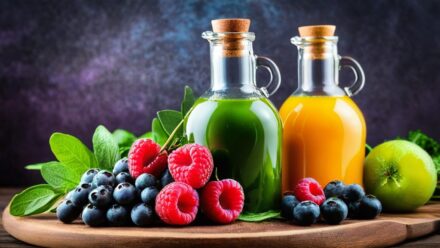

Want a simple way to boost your health? Look to your plate. Everyday foods harbor mighty compounds called polyphenols. These plant powerhouses offer incredible benefits for your well-being. Let’s explore how they can naturally enhance your life.
Polyphenols are plant chemicals. Plants make them for defense. They add color and flavor to fruits and vegetables. You find them in many common foods.
Different Types of Polyphenols
There are thousands of kinds. They fall into main categories. Flavonoids are a large group. Phenolic acids are another important type. Lignans and stilbenes also exist. Each offers unique benefits.
Where Do We Find Them?
Berries are a great source. Dark chocolate has polyphenols. Tea, coffee, and wine contain them. Nuts, seeds, and vegetables are also rich. Eating a colorful diet helps ensure variety.
The Heart-Healthy Connection
Your heart works tirelessly. Polyphenols can help keep it strong. They protect tiny blood vessels. This improves blood flow throughout your body.
Better Blood Vessel Function
Healthy blood vessels are crucial. They carry oxygen and nutrients. Polyphenols help them relax. This ensures smoother, easier blood flow. A 2026 study found this link.
Lower Heart Disease Risk
High polyphenol intake reduces risk. Researchers tracked thousands of people. They found an 8.5% lower risk. This was for every 10-unit increase in polyphenol score. Flavonoids and phenolic acids were most helpful. Picture a healthy pipe system in your home. Polyphenols keep your body’s pipes clear.
Examples of Heart-Healthy Foods
Blueberries are fantastic. Green tea is another top choice. Dark chocolate offers heart benefits. Include a mix in your daily meals. A handful of almonds is a good snack.
Polyphenols for Overall Well-being
These compounds do more than help your heart. They support many bodily functions. They act as guardians for your cells. This contributes to better health.
Antioxidant Power
Polyphenols fight damage. They neutralize free radicals. Free radicals can harm your cells. Think of rust on a metal object. Antioxidants prevent this “rusting.” This protection is vital.
Anti-Inflammatory Effects
Inflammation can be harmful. It links to many chronic diseases. Polyphenols help calm inflammation. They act like a soothing balm. This can ease discomfort.
Gut Health Benefits
Your gut is a key player in health. Polyphenols can feed good gut bacteria. A healthy gut microbiome is essential. It impacts digestion and immunity. Some polyphenols help restore gut balance. They also strengthen your gut lining. This can prevent digestive issues.
Protecting Against Chronic Diseases
Polyphenols aid in protection. They reduce risks of certain cancers. They also help against diabetes. Neurodegenerative conditions may also benefit. They support your body’s natural defenses. Ongoing research confirms these widespread benefits.
Integrating Polyphenols into Your Diet

Adding these compounds is easy. You don’t need special supplements. Focus on whole, unprocessed foods. Make it a daily habit.
Simple Swaps and Additions
Start your day with berries. Add spinach to your eggs. Snack on nuts or an apple. Swap sugary drinks for green tea. These small changes add up.
Colorful Plates
Aim for a rainbow of foods. Different colors mean different polyphenols. Red berries, green leafy vegetables, orange carrots. This variety maximizes benefits. A colorful plate is usually a healthy plate.
Cooking Tips
Gentle cooking protects polyphenols. Steaming is a good option. Roasting vegetables also works. Avoid overcooking your produce. Fresh is often best for maximum content.
Important Considerations
| Polyphenols Health Metrics | Benefits |
|---|---|
| Reduced risk of chronic diseases | Antioxidant properties may help protect against heart disease, cancer, and other conditions |
| Improved digestion | Polyphenols can promote gut health and improve digestion |
| Anti-inflammatory effects | May help reduce inflammation in the body |
| Brain health | Some polyphenols may have neuroprotective effects and support cognitive function |
While beneficial, balance is key. Eating whole foods is the best strategy. Isolated supplements are not always ideal. More is not always better.
Moderation and Variety
Don’t overdo any single food. Eat a wide range of polyphenol-rich foods. This ensures a broad spectrum of benefits. Variety provides essential nutrients.
Potential Harms of Overconsumption (Isolated)
High doses of isolated polyphenols can harm. These are usually found in supplements. Stick to food sources for safety. Whole foods offer balanced nutrition. Consult a doctor for any concerns. Remember, food is medicine.
The Future of Polyphenol Research
Science keeps advancing. The 2026 Polyphenols World Congress shows interest. Researchers explore precision nutrition. They study animal health and analytical methods. Expect more exciting discoveries. This field holds great promise.
FAQs
What are polyphenols?
Polyphenols are a group of naturally occurring compounds found in plants, including fruits, vegetables, tea, coffee, and red wine. They are known for their antioxidant properties and have been studied for their potential health benefits.
What are the health benefits of polyphenols?
Polyphenols have been associated with various health benefits, including reducing the risk of chronic diseases such as heart disease, cancer, and neurodegenerative disorders. They also have anti-inflammatory and antimicrobial properties.
What are some food sources of polyphenols?
Foods rich in polyphenols include berries, grapes, apples, citrus fruits, dark chocolate, green tea, black tea, coffee, and certain vegetables such as spinach, broccoli, and onions. Red wine is also a source of polyphenols.
How do polyphenols contribute to overall health?
Polyphenols contribute to overall health by protecting the body from oxidative stress, reducing inflammation, and supporting the immune system. They may also help improve cardiovascular health and cognitive function.
Are there any potential risks associated with consuming polyphenols?
While polyphenols are generally considered safe and beneficial, excessive intake of certain polyphenol-rich supplements or extracts may have potential risks, such as digestive issues or interactions with certain medications. It’s important to consume polyphenols as part of a balanced diet rather than relying on supplements.