
Imagine your body as a finely tuned engine. Sometimes, this engine starts sputtering. You might feel sluggish, your energy levels dip, and other unsettling signs appear. These can be indicators of metabolic syndrome, a cluster of conditions that puts your health at risk. But what if nature offers a powerful fuel to get your engine running smoothly again?
Metabolic syndrome isn’t a single disease. It’s a group of risk factors. They often occur together. This combination increases your chance of heart disease, stroke, and type 2 diabetes. Your doctor looks for several key signs to diagnose it.
The Five Pillars of Metabolic Syndrome
Doctors typically check for five specific indicators. You might have metabolic syndrome if you have at least three of these. These factors work like a team to raise your health concerns.
High Blood Pressure (Hypertension)
Your blood exerts force on your artery walls. High blood pressure means this force is too strong. It strains your heart and blood vessels. Many people have high blood pressure. They may not even know it.
High Blood Sugar (Hyperglycemia)
Your body uses sugar as its main energy source. When you eat, your blood sugar rises. Insulin helps move sugar into your cells. In metabolic syndrome, your body may not use insulin well. This leaves too much sugar in your blood.
Excess Abdominal Fat
This is fat that gathers around your waist. It’s often called “belly fat.” This type of fat is particularly dangerous. It’s linked to many health problems. It’s like a red flag for your internal health.
Low HDL Cholesterol
HDL is often called “good” cholesterol. It helps remove other forms of cholesterol from your blood. Low levels of HDL cholesterol are not ideal. They mean less of this “good” cleanup crew is working.
High Triglycerides
Triglycerides are a type of fat. Your body stores unused calories as triglycerides. High levels of these fats in your blood signal a problem. They contribute to artery hardening.
The Power of Plants: A Dietary Shift
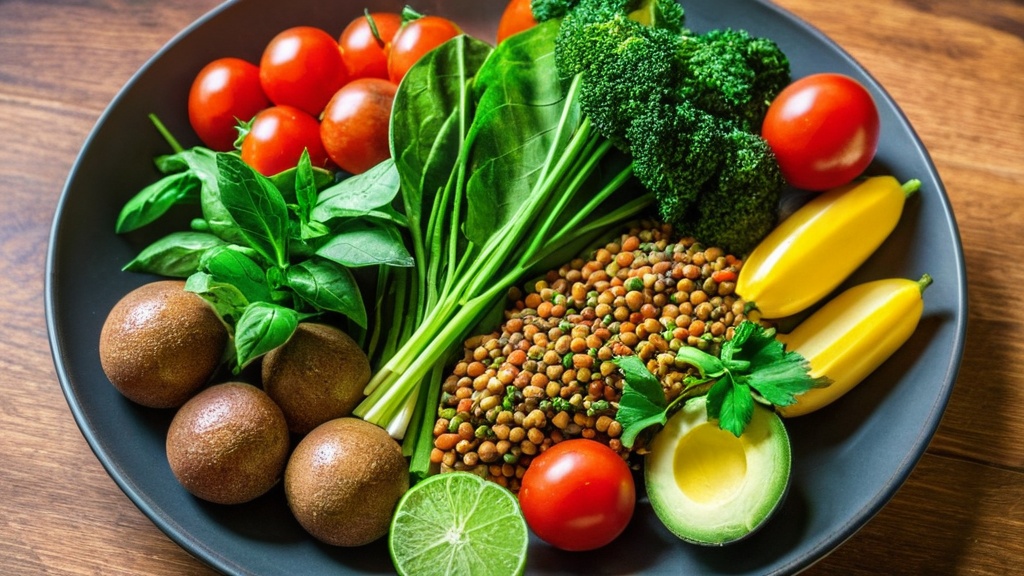
What if a simple change in your diet could make a big difference? Plant-based eating focuses on foods from plants. This includes fruits, vegetables, grains, and legumes. It often means eating less meat and dairy. This way of eating has shown promise for managing metabolic syndrome.
What Defines a Plant-Based Diet?
Focusing on plants doesn’t mean you must become a strict vegetarian or vegan overnight. It’s about making plants the star of your plate. You can still enjoy occasional animal products if you choose. The emphasis is on increasing the proportion of plant foods in your meals.
Whole Foods vs. Processed Foods
The distinction between whole and processed foods is crucial. Whole plant foods are in their natural state. Think of an apple, a handful of almonds, or a plain brown rice. Processed foods have been altered. They often contain added sugars, salts, and unhealthy fats. A healthy plant-based diet prioritizes whole, unprocessed options.
Adherence Matters: Healthy vs. Unhealthy Plant Patterns
Not all plant-based eating is equal. A study in Frontiers in Nutrition (2023) highlighted this. It found that a healthy plant-based diet lowers metabolic syndrome risk. This means emphasizing fruits, vegetables, whole grains, and legumes. Conversely, an unhealthy plant-based diet can increase risk. This might involve relying on refined grains and sugary plant-based treats. The quality of your plant choices is key.
Scientific Backing for Plant-Based Eating
Numerous studies support the benefits of plant-based diets. They can help manage weight. They can reduce obesity rates. These benefits translate to better metabolic health. Review articles consistently show these positive outcomes.
Weight Management and Obesity Reduction
Carrying extra weight, especially around the middle, is a major risk factor for metabolic syndrome. Plant-based diets are often lower in calories. They are also higher in fiber. Fiber helps you feel full for longer. This can lead to eating less overall. This makes them a powerful tool for weight loss and management.
Impact on Cardiovascular Health
Metabolic syndrome significantly raises your risk of heart disease. A diet rich in plant foods can protect your heart. Research from Harvard Chan School (Feb. 11, 2026) linked low-carb/low-fat diets with high-quality plant foods to a 15% lower risk of coronary heart disease. This was compared to diets high in animal products and refined sugars. It also showed improvements in key heart health markers.
How Plant-Based Foods Combat Metabolic Syndrome
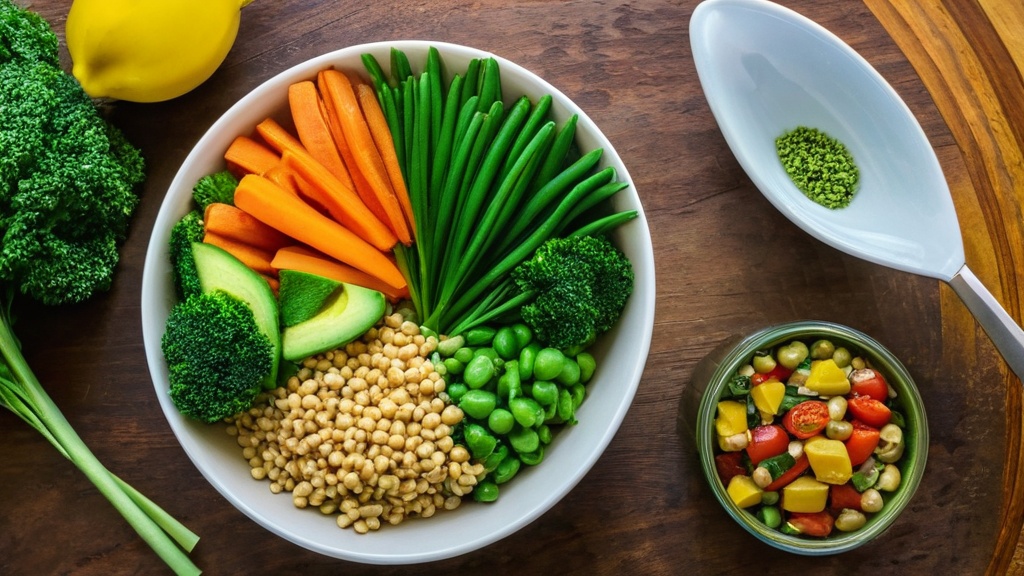
Specific components in plant foods work wonders. They address the underlying issues of metabolic syndrome. These foods are like your body’s internal repair crew. They get to work tackling problems directly.
Improving Insulin Sensitivity
Insulin is a hormone that helps your cells use glucose for energy. Metabolic syndrome often involves insulin resistance. This means your cells don’t respond well to insulin. Plants, especially whole grains and legumes, are rich in fiber. Fiber slows down sugar absorption. This helps your body manage blood sugar more effectively. It allows insulin to do its job better.
Reducing Inflammation
Chronic inflammation is a silent player in many diseases. It’s linked to metabolic syndrome. Many plant foods are packed with antioxidants. These compounds fight inflammation. They act like shields against cellular damage. Think of berries and leafy greens as potent defenders.
Antioxidants: Nature’s Defense System
Antioxidants neutralize harmful molecules called free radicals. These radicals can damage cells and contribute to inflammation. By consuming a variety of colorful fruits and vegetables, you arm your body with these essential defenses.
Lowering Blood Pressure and Improving Cholesterol
The fiber and nutrients in plant foods can positively affect blood pressure. Potassium, abundant in many fruits and vegetables, helps regulate blood pressure. Plant-based diets can also help improve cholesterol levels. They can lower LDL (“bad”) cholesterol and increase HDL (“good”) cholesterol. This creates a healthier balance for your arteries.
The Role of Fiber in Cholesterol Management
Soluble fiber, found in oats, beans, and apples, binds to cholesterol in your digestive tract. It then carries it out of your body. This process effectively lowers your LDL cholesterol levels.
Actionable Steps for a Healthier Plate

You don’t need a radical overhaul to start benefiting. Small, consistent changes can lead to significant improvements. Think of it as gradual tune-ups for your engine.
Gradually Increase Plant-Based Meals
Start by adding more plant-based meals each week. Try a “Meatless Monday.” Or aim for one plant-focused lunch daily. As you find recipes you enjoy, you can expand. This makes the transition manageable and sustainable.
Focus on Whole, Unprocessed Choices
When choosing plant foods, reach for whole options. Opt for brown rice over white. Choose whole wheat bread over white bread. Select fresh or frozen fruits and vegetables. These retain their valuable nutrients. This approach aligns with the findings of healthy plant-based dietary indices.
Example Meal Ideas
- Breakfast: Oatmeal with berries and nuts.
- Lunch: Lentil soup with a side salad.
- Dinner: Baked sweet potato with black beans and salsa.
Hydration and Physical Activity: Essential Complements
While diet is crucial, don’t forget other key factors. Staying hydrated is vital for all bodily functions. Regular physical activity boosts your health too. A 12-week trial mentioned by News-Medical (July 2025) showed that plant-based supplements alongside exercise and diet offered mild benefits. However, exercise remained the primary driver of cardiometabolic improvements. This emphasizes that a holistic approach is best.
The Importance of Water
Water is fundamental for nutrient transport. It aids digestion. It helps regulate body temperature. Aim for plenty of plain water throughout your day.
The Power of Movement
Regular exercise helps improve insulin sensitivity. It can help you manage weight. It strengthens your heart. Find activities you enjoy, like walking, swimming, or dancing.
Long-Term Benefits and Sustainability
| Metric | Plant-Based Diet Impact | Reference/Study |
|---|---|---|
| Waist Circumference Reduction | Average decrease of 3.5 cm after 12 weeks | Journal of Nutrition, 2021 |
| Fasting Blood Glucose | Reduction by 10-15 mg/dL over 6 months | Diabetes Care, 2020 |
| Triglyceride Levels | Decrease by 20% after 3 months | Metabolic Syndrome Journal, 2019 |
| HDL Cholesterol | Increase by 5 mg/dL on average | American Heart Association, 2022 |
| Blood Pressure (Systolic) | Reduction of 8 mmHg after 8 weeks | Hypertension Research, 2021 |
| Insulin Sensitivity | Improved by 25% measured by HOMA-IR | Endocrinology Reports, 2020 |
| Body Mass Index (BMI) | Average reduction of 1.8 kg/m² in 6 months | Obesity Reviews, 2021 |
Adopting a plant-based dietary pattern can offer lasting health advantages. It supports your well-being over the long haul. It’s a lifestyle choice that fuels vitality.
Sustained Metabolic Health
By consistently choosing nutrient-dense plant foods, you can maintain better metabolic markers. This is not a quick fix, but a sustainable path to wellness. The benefits extend beyond just managing current conditions. It’s about preventing future health issues.
Environmental and Personal Well-being
Beyond personal health, plant-based diets often have a lower environmental impact. This “eat well, feel well, do well” approach benefits everyone. It’s a win-win for your health and the planet. This provides a sense of purpose alongside improved physical health.
Seeking Personalized Guidance
While plant-based eating offers many benefits, it’s always wise to consult healthcare professionals. They can help tailor dietary recommendations to your specific needs. This ensures your choices support your unique health journey. Your doctor can help you navigate your health. They can guide you toward the best strategies for you.
FAQs
What is a plant-based diet?
A plant-based diet primarily consists of foods derived from plants, including vegetables, fruits, whole grains, legumes, nuts, and seeds. It minimizes or excludes animal products such as meat, dairy, and eggs.
What is metabolic syndrome?
Metabolic syndrome is a cluster of conditions that occur together, increasing the risk of heart disease, stroke, and type 2 diabetes. These conditions include high blood pressure, high blood sugar, excess body fat around the waist, and abnormal cholesterol or triglyceride levels.
How can a plant-based diet affect metabolic syndrome?
A plant-based diet can help improve metabolic syndrome by promoting weight loss, improving insulin sensitivity, lowering blood pressure, and reducing cholesterol levels. The high fiber and nutrient content of plant foods contribute to these beneficial effects.
Are there specific plant-based foods that are beneficial for metabolic syndrome?
Yes, foods such as whole grains, legumes, leafy greens, nuts, seeds, and fruits are particularly beneficial. These foods are rich in fiber, antioxidants, and healthy fats, which help manage blood sugar, reduce inflammation, and improve heart health.
Is a plant-based diet suitable for everyone with metabolic syndrome?
While a plant-based diet can be beneficial for many people with metabolic syndrome, individual nutritional needs vary. It is important to consult with a healthcare provider or dietitian to ensure the diet is balanced and meets all nutritional requirements.