
Insulin sensitivity refers to how effectively the body responds to insulin, a hormone that regulates blood sugar levels. When cells are sensitive to insulin, they efficiently absorb glucose from the bloodstream, helping to maintain stable blood sugar levels—a critical factor for overall health. Insulin resistance, characterized by low insulin sensitivity, results in elevated blood sugar levels and significantly increases the risk of developing type 2 diabetes.
When insulin functions optimally, it facilitates the transfer of glucose from the bloodstream into cells for energy production. However, when insulin sensitivity decreases, cells become less responsive to insulin signaling, reducing glucose uptake efficiency. This metabolic dysfunction can contribute to weight gain, dyslipidemia, and other metabolic disorders.
Improving insulin sensitivity is an important strategy for maintaining metabolic health and reducing the risk of chronic diseases such as type 2 diabetes and cardiovascular disease.
Key Takeaways
- Insulin sensitivity is crucial for effective blood sugar regulation and overall metabolic health.
- Diet plays a significant role, with emphasis on managing carbohydrate intake and choosing the right types of foods.
- Avoiding processed sugars and refined carbs can help improve insulin sensitivity.
- Including fiber-rich foods, lean proteins, and healthy fats supports better insulin response.
- Regular exercise and mindful meal timing enhance insulin sensitivity and contribute to sustainable health improvements.
The Role of Diet in Insulin Sensitivity
Diet plays a pivotal role in determining insulin sensitivity. What you eat can either enhance or hinder your body’s ability to respond to insulin. A balanced diet rich in whole foods can improve insulin sensitivity, while a diet high in processed foods can have the opposite effect.
Research shows that diets high in refined carbohydrates and sugars can lead to increased insulin resistance over time (Bantle et al., 2008). For example, consider two individuals: one consumes a diet rich in fruits, vegetables, and whole grains, while the other relies heavily on sugary snacks and fast food. The first person is likely to experience better insulin sensitivity due to their nutrient-dense choices.
In contrast, the second person may struggle with blood sugar spikes and increased insulin resistance. Making informed dietary choices is essential for maintaining healthy insulin levels.
Foods to Avoid for Improving Insulin Sensitivity

Certain foods can negatively impact insulin sensitivity and should be limited or avoided. Highly processed foods, sugary beverages, and refined carbohydrates are prime culprits. These items can cause rapid spikes in blood sugar levels, leading to increased insulin production and potential resistance over time (Ludwig et al., 2001).
For instance, consider a typical breakfast of sugary cereal and orange juice. This combination can lead to a quick surge in blood sugar, prompting the pancreas to release more insulin. Over time, frequent consumption of such meals can contribute to insulin resistance.
Instead of these options, focus on whole foods that provide sustained energy without causing drastic blood sugar fluctuations.
Foods to Include for Improving Insulin Sensitivity
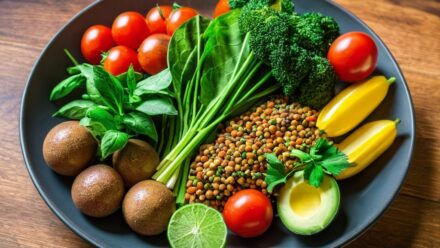
Incorporating specific foods into your diet can enhance insulin sensitivity. Foods rich in fiber, healthy fats, and lean proteins are excellent choices. For example, leafy greens, berries, nuts, and fatty fish like salmon provide essential nutrients that support metabolic health (Slavin, 2013).
Imagine preparing a meal with grilled salmon, quinoa, and a side of steamed broccoli. This combination offers healthy fats, complex carbohydrates, and fiber—all of which contribute to improved insulin sensitivity. By prioritizing these nutrient-dense foods, you can create meals that not only taste great but also support your body’s ability to manage blood sugar effectively.
The Importance of Carbohydrate Management
| Metric | Description | Recommended Range/Value | Notes |
|---|---|---|---|
| Glycemic Index (GI) | Measures how quickly foods raise blood glucose levels | Preferably below 55 (low GI) | Low GI foods improve insulin sensitivity |
| Carbohydrate Intake | Amount of carbs consumed per meal | 30-45 grams per meal | Focus on complex carbs and fiber-rich sources |
| Fiber Intake | Daily dietary fiber consumption | 25-35 grams per day | Soluble fiber helps improve insulin response |
| Protein Intake | Amount of protein per meal | 15-30 grams per meal | Supports muscle mass and glucose metabolism |
| Fat Intake | Type and amount of dietary fat | Focus on unsaturated fats; limit saturated fats | Healthy fats improve insulin sensitivity |
| Meal Frequency | Number of meals/snacks per day | 3 balanced meals with 1-2 snacks | Helps maintain stable blood sugar levels |
| Physical Activity | Daily exercise duration | At least 30 minutes moderate activity | Enhances insulin sensitivity |
| Body Mass Index (BMI) | Indicator of body fat based on height and weight | 18.5 – 24.9 kg/m² | Maintaining healthy weight improves insulin sensitivity |
Carbohydrate management is crucial for maintaining healthy insulin sensitivity. Not all carbohydrates are created equal; some can cause rapid spikes in blood sugar while others provide a steady release of energy. Choosing complex carbohydrates over simple sugars can help stabilize blood sugar levels (Jenkins et al., 2002).
For example, consider the difference between white bread and whole grain bread. White bread is made from refined flour and can lead to quick spikes in blood sugar. In contrast, whole grain bread contains more fiber and nutrients, promoting gradual digestion and better blood sugar control.
By being mindful of carbohydrate sources and portion sizes, you can support your body’s insulin response.
The Role of Protein in Insulin Sensitivity

Protein plays a significant role in improving insulin sensitivity. It helps regulate blood sugar levels by slowing down carbohydrate absorption and promoting satiety. Including lean protein sources like chicken, beans, or tofu in your meals can help maintain stable energy levels throughout the day (Paddon-Jones et al., 2008).
Imagine having a lunch that includes grilled chicken salad with mixed greens and chickpeas. This meal provides protein along with fiber-rich vegetables, helping you feel full longer while supporting healthy blood sugar levels. By incorporating adequate protein into your diet, you can enhance your body’s ability to respond to insulin effectively.
The Impact of Fats on Insulin Sensitivity
Not all fats are detrimental to insulin sensitivity; in fact, healthy fats can be beneficial. Unsaturated fats found in avocados, nuts, and olive oil can improve insulin sensitivity when consumed in moderation (Bays et al., 2008). These fats help reduce inflammation and support overall metabolic health.
Consider adding a drizzle of olive oil to your salad or snacking on a handful of almonds instead of chips. These choices provide healthy fats that can enhance your body’s response to insulin while also offering essential nutrients. Balancing fat intake with other macronutrients is key to maintaining optimal insulin sensitivity.
The Benefits of Fiber for Insulin Sensitivity
Fiber is a powerhouse when it comes to improving insulin sensitivity. It slows down digestion and helps regulate blood sugar levels by preventing rapid spikes after meals (Slavin, 2013). Foods high in fiber include fruits, vegetables, whole grains, and legumes.
For example, a breakfast of oatmeal topped with berries provides both fiber and antioxidants. This combination helps keep blood sugar levels stable throughout the morning. By prioritizing fiber-rich foods in your diet, you can support your body’s ability to manage insulin effectively.
The Importance of Meal Timing and Frequency
Meal timing and frequency also play a role in insulin sensitivity. Eating regular meals throughout the day can help maintain stable blood sugar levels. Skipping meals or consuming large amounts of food at once can lead to fluctuations in blood sugar and increased insulin demand (Klempel et al., 2013).
Imagine having three balanced meals with healthy snacks in between rather than skipping breakfast and overeating at dinner. This approach allows your body to process food more efficiently and maintain steady energy levels. Establishing a consistent eating schedule can support better insulin sensitivity over time.
The Role of Exercise in Improving Insulin Sensitivity
Regular physical activity is one of the most effective ways to improve insulin sensitivity. Exercise helps muscles use glucose more efficiently and enhances overall metabolic health (Hawley et al., 2006). Both aerobic activities like walking or cycling and strength training contribute positively.
For instance, consider going for a brisk walk after dinner instead of lounging on the couch. This simple change can help lower blood sugar levels and improve your body’s response to insulin. Incorporating regular exercise into your routine not only benefits your physical health but also supports better metabolic function.
Creating a Sustainable Diet Plan for Improving Insulin Sensitivity
Creating a sustainable diet plan is essential for long-term improvements in insulin sensitivity. Focus on incorporating whole foods while minimizing processed options. Aim for a balanced intake of carbohydrates, proteins, and healthy fats.
Start by planning meals that include a variety of colorful fruits and vegetables alongside lean proteins and whole grains. For example, consider preparing a stir-fry with mixed vegetables, brown rice, and grilled chicken or tofu. This meal provides essential nutrients while supporting stable blood sugar levels.
Additionally, keep track of how different foods affect your energy levels and mood. This awareness will help you make informed choices that align with your health goals. Remember that small changes over time can lead to significant improvements in your overall well-being.
In conclusion, understanding and improving insulin sensitivity involves a multifaceted approach that includes dietary choices, meal timing, exercise, and lifestyle adjustments. By prioritizing whole foods and being mindful of what you consume, you can enhance your body’s ability to manage blood sugar effectively and promote long-term health. References:
– Bantle JP et al., “Carbohydrate intake and its relationship with glycemic control,” Diabetes Care.
– Bays HE et al., “The role of dietary fat in the management of diabetes,” Diabetes Care.
– Hawley JA et al., “Exercise metabolism: the role of exercise in improving insulin sensitivity,” Journal of Applied Physiology.
– Jenkins DJ et al., “Glycemic index: overview of implications for dietary management,” American Journal of Clinical Nutrition.
– Klempel MC et al., “The effects of meal timing on weight loss,” Nutrition Journal.
– Ludwig DS et al., “The glycemic index: physiological mechanisms relating to obesity,” American Journal of Clinical Nutrition.
– Paddon-Jones D et al., “Protein, weight management, and satiety,” American Journal of Clinical Nutrition.
– Slavin JL, “Fiber: an important component of a healthy diet,” Nutrition Today.
FAQs
What is an insulin sensitivity diet?
An insulin sensitivity diet is a nutritional plan designed to improve the body’s response to insulin, a hormone that regulates blood sugar levels. The diet typically focuses on consuming foods that help stabilize blood sugar and reduce insulin resistance.
Why is improving insulin sensitivity important?
Improving insulin sensitivity helps the body use insulin more effectively, which can lower the risk of developing type 2 diabetes, support weight management, and improve overall metabolic health.
What types of foods are recommended on an insulin sensitivity diet?
Foods recommended include high-fiber vegetables, whole grains, lean proteins, healthy fats (such as those from nuts, seeds, and olive oil), and low-glycemic index fruits. Processed sugars and refined carbohydrates are usually limited.
Can an insulin sensitivity diet help with weight loss?
Yes, by improving insulin sensitivity and stabilizing blood sugar levels, this diet can support weight loss and reduce fat accumulation, especially around the abdomen.
Are there any foods to avoid on an insulin sensitivity diet?
Yes, it is generally advised to avoid or limit foods high in refined sugars, processed carbohydrates, sugary beverages, and excessive saturated fats, as these can worsen insulin resistance.
Is exercise important alongside an insulin sensitivity diet?
Yes, regular physical activity complements the diet by further improving insulin sensitivity and overall metabolic health.
Can an insulin sensitivity diet help people with type 2 diabetes?
Yes, this diet can be beneficial for people with type 2 diabetes by helping to manage blood sugar levels and improve insulin function, but it should be followed under medical supervision.
How quickly can one see results from following an insulin sensitivity diet?
Results vary by individual, but some people may notice improvements in energy levels and blood sugar control within a few weeks of consistent dietary changes.
Is the insulin sensitivity diet suitable for everyone?
While generally safe, individuals with specific health conditions or dietary needs should consult a healthcare professional before starting the diet to ensure it is appropriate for them.
Can supplements improve insulin sensitivity?
Some supplements, such as magnesium, chromium, and omega-3 fatty acids, may support insulin sensitivity, but they should not replace a balanced diet and should be taken under medical advice.