
Imagine tiny warriors fighting battles inside your body every second. These warriors are called antioxidants. They protect your cells from damage. This damage can lead to serious health problems. Understanding antioxidants can help you stay healthier.
Your body creates unstable molecules. These are called free radicals. They come from pollution, stress, and even normal body processes. Free radicals can harm your cells. This damage is called oxidative stress.
What Are Free Radicals?
Free radicals are atoms with missing electrons. They steal electrons from other molecules. This causes a chain reaction of damage. Think of it like a domino effect.
Oxidative Stress and Your Health
Oxidative stress is linked to many diseases. It can contribute to heart disease. It plays a role in certain cancers. It’s also associated with aging.
Antioxidants: Your Cellular Defenders
Antioxidants neutralize free radicals. They donate an electron to stabilize them. This stops the damaging chain reaction. They are your body’s defense system.
How Antioxidants Work
Antioxidants act like shields. They absorb the free radical’s energy. They sacrifice themselves to protect your cells. This is a vital process for health.
Natural vs. Supplemental Sources
You can get antioxidants from food. Fruits and vegetables are rich sources. Supplements also contain antioxidants. However, food sources are often better.
Antioxidants from Food: The Preferred Path
Eating a diet full of colorful produce floods your body with antioxidants. These natural compounds work synergistically. They offer broad protection.
Colorful Foods, Powerful Protection
Berries, leafy greens, and vibrant vegetables are packed with antioxidants. Think of blueberries, spinach, and carrots. Each color signifies different beneficial compounds. Eating a variety ensures a wide range of protection.
The Synergistic Effect of Food
When you eat whole foods, antioxidants work together. This combined action is more powerful. It offers better health benefits than isolated compounds. Your body absorbs them efficiently.
Antioxidant Supplements: A Closer Look
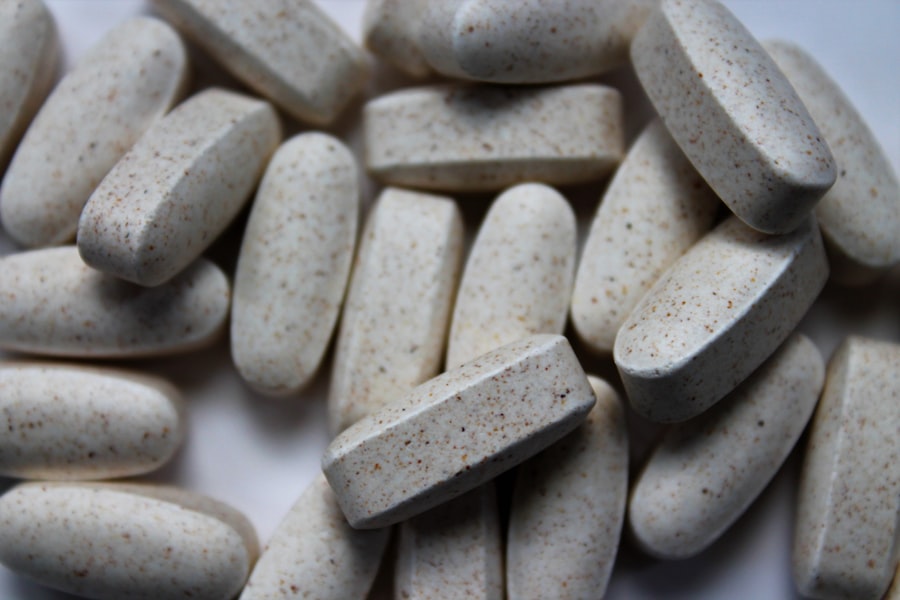
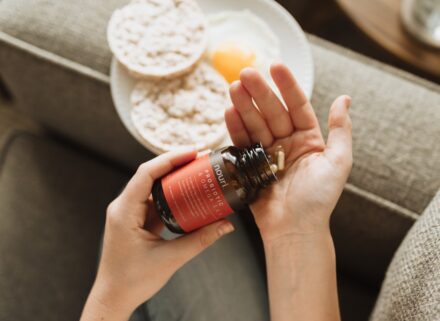
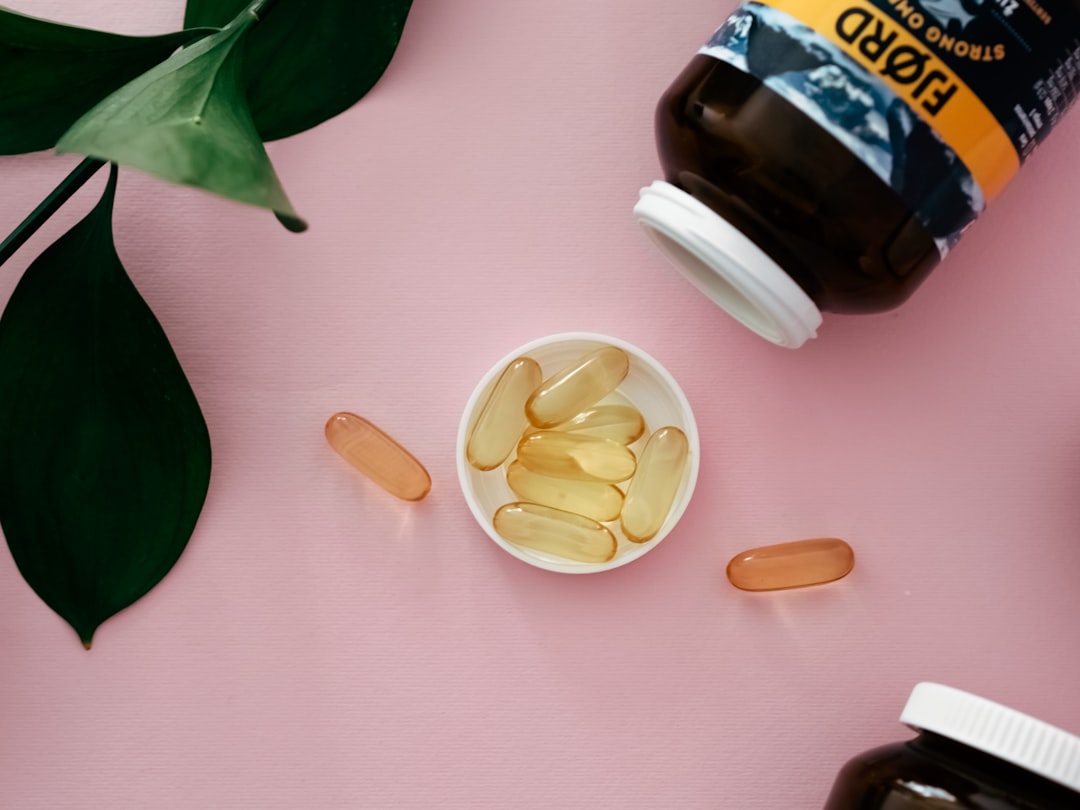
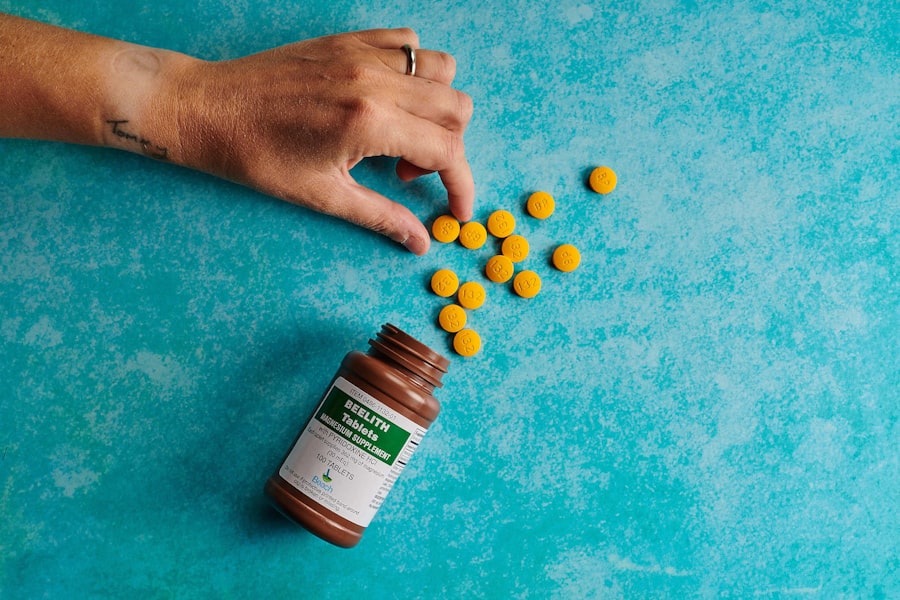
For years, people believed antioxidant supplements were a magic bullet. They were marketed to prevent disease. However, research tells a different story. Many supplements offer little benefit. Some can even be harmful.
What the Research Says
Major health organizations have reviewed the evidence. The U.S. Preventive Services Task Force found no benefits. They advise against beta-carotene and vitamin E. These supplements did not prevent cancer or heart disease. They may even increase risks.
Risks of High-Dose Supplements
Taking too many antioxidants in supplement form is not advisable. High doses of certain antioxidants can be toxic. For example, beta-carotene supplements have shown increased mortality. This means they can increase the risk of death.
Specific Antioxidants: What You Need to Know
| Antioxidant Supplements | Benefits | Recommended Dosage |
|---|---|---|
| Vitamin C | Boosts immune system, protects against heart disease | 500-1000mg per day |
| Vitamin E | Protects cells from damage, supports immune function | 15mg per day |
| Coenzyme Q10 | Supports heart health, boosts energy production | 90-200mg per day |
Different antioxidants offer unique benefits. However, the form and source matter greatly. Food always offers a safer and more effective route.
Vitamin C: More Than Just Colds
Vitamin C is a well-known antioxidant. It supports your immune system. You find it in citrus fruits and bell peppers. Getting enough from food is usually easy. High-dose supplements have not proven disease prevention.
Vitamin E: Not a Shield for All
Vitamin E protects cell membranes. You find it in nuts and seeds. Studies on vitamin E supplements showed no cardiovascular benefits. They also failed to prevent cancer. The risks of certain forms are also noted.
Beta-Carotene: Avoid the Supplement
Beta-carotene is a precursor to vitamin A. It gives carrots their orange color. Research shows beta-carotene supplements increase all-cause mortality. This means it raises the risk of death from any cause. Stick to dietary sources like carrots.
Selenium: Essential in Small Doses
Selenium is a trace mineral. It acts as an antioxidant. Brazil nuts are a good source. Too much selenium from supplements can be harmful.
Glutathione: The Body’s Master Antioxidant
Glutathione is produced by your body. It’s a powerful antioxidant. Age and stress can lower its levels. Some supplements aim to boost glutathione. These often provide precursors like glycine.
Glutathione Precursors and Aging
Studies explored precursors to glutathione. These showed some positive effects on aging markers in older adults. Muscle strength slightly improved. However, exercise remained a superior strategy for aging well. Antioxidant effects can vary by age.
Actionable Tips for Boosting Your Health Naturally
Focus on your diet first. This is the safest and most effective way. Your body knows how to use nutrients from food best.
Embrace a Diet Rich in Fruits and Vegetables
Fill your plate with a rainbow of produce. Aim for at least five servings daily. Include berries, leafy greens, and brightly colored vegetables. This provides a wide spectrum of antioxidants.
Choose Whole Foods Over Processed Options
Processed foods often lack beneficial nutrients. They can also contribute to inflammation. Prioritize whole, unprocessed foods. This supports your body’s natural defense systems.
Listen to Your Body and Consult Professionals
Your individual needs may vary. If you have health concerns, talk to a doctor. They can provide personalized advice. Avoid self-prescribing supplements. Excessive supplement use can be counterproductive.
Exercise Regularly for Endogenous Defense
Physical activity actually boosts your body’s natural antioxidant defenses. So, moving your body is a powerful tool. It complements a healthy diet perfectly. Combine exercise with good nutrition for optimal results. Athletes often benefit from antioxidant-rich food bars. These bars boost their own defenses. They show food is often better than excess supplements.
Hydration and Sleep Matter Too
Drinking enough water supports all bodily functions. Quality sleep allows your body to repair itself. These basic health habits are crucial. They support your cells’ ability to function well. They also help manage oxidative stress.
The Bottom Line on Antioxidants
Antioxidants are essential for health. They protect your cells from damage. The best source is always whole foods. Colorful fruits and vegetables are your allies. Supplements offer limited benefits and potential risks. Prioritize a balanced, nutrient-rich diet. This approach provides the most comprehensive protection. It helps you live a healthier, more vibrant life.
FAQs
What are antioxidant supplements?
Antioxidant supplements are vitamins, minerals, and other nutrients that can help protect the body from the damaging effects of free radicals. Free radicals are unstable molecules that can cause oxidative stress and damage to cells, leading to various health problems.
What are some common antioxidant supplements?
Common antioxidant supplements include vitamin C, vitamin E, beta-carotene, selenium, and coenzyme Q10. These supplements are available in various forms, such as capsules, tablets, and powders.
What are the potential benefits of taking antioxidant supplements?
Antioxidant supplements may help reduce the risk of chronic diseases such as heart disease, cancer, and age-related macular degeneration. They may also support the immune system and promote overall health and well-being.
Are there any risks or side effects associated with antioxidant supplements?
While antioxidant supplements are generally considered safe when taken in recommended doses, excessive intake of certain antioxidants may have adverse effects. For example, high doses of vitamin E may increase the risk of bleeding, and high doses of beta-carotene may increase the risk of lung cancer in smokers.
Should I take antioxidant supplements?
It’s best to obtain antioxidants from a balanced diet that includes plenty of fruits, vegetables, and whole grains. However, for individuals who have difficulty meeting their antioxidant needs through diet alone, or those with specific health conditions, consulting with a healthcare professional about the potential benefits and risks of antioxidant supplements is recommended.