
Ever wonder if there’s a delicious secret to feeling your best? It turns out, nature provides powerful compounds in our food. These compounds, called antioxidants, play a vital role in keeping our bodies running smoothly. Let’s explore how they impact your metabolic health and why a balanced diet is so important.
Our bodies constantly perform many chemical reactions. These processes, while essential, can create unstable molecules. We call these molecules free radicals.
Free radicals can damage cells. This damage contributes to aging and disease. Antioxidants are natural compounds. They neutralize these harmful free radicals. Think of them as tiny bodyguards protecting your cells.
What are Free Radicals?
Imagine an apple slices turning brown. That’s oxidation in action. In our bodies, similar reactions occur. Free radicals are like tiny, unstable sparks. They seek to “steal” electrons from stable molecules. This theft can cause cellular damage.
How Antioxidants Work
Antioxidants donate an electron. This neutralizes the free radical. They do this without becoming unstable themselves. This protects our cells from damage. It’s like putting out a small fire before it spreads.
Antioxidants and Metabolic Health: A Delicate Balance
Metabolic health describes how well your body processes energy. This includes blood sugar, insulin, and cholesterol levels. Antioxidants influence these crucial functions. They help maintain a healthy internal environment.
A healthy metabolism means your body uses food efficiently. It helps prevent conditions like type 2 diabetes. Antioxidants contribute to this efficiency. They protect metabolic pathways from damage.
The Role of Oxidative Stress
Sometimes, free radical production overwhelms antioxidant defenses. This imbalance is called oxidative stress. Chronic oxidative stress harms metabolic health. It can contribute to insulin resistance. This makes it harder for your body to use sugar.
For example, imagine a factory with too much smoke. If the ventilation system can’t keep up, the factory becomes unhealthy. Similarly, too many free radicals overwhelm the body’s defenses. This leads to metabolic problems.
Balancing Act: Mild Stress Can Be Beneficial
Not all oxidative stress is bad. Our bodies need some mild stress. This mild stress can trigger beneficial adaptations. It strengthens our internal defenses. Think of it like lifting weights. Small stresses build stronger muscles.
The International Society of Sports Nutrition highlights this balance. Mild oxidative stress helps our bodies adapt. It improves recovery and overall health. Too much, however, causes damage.
The Power of Food: Whole Foods vs. Supplements
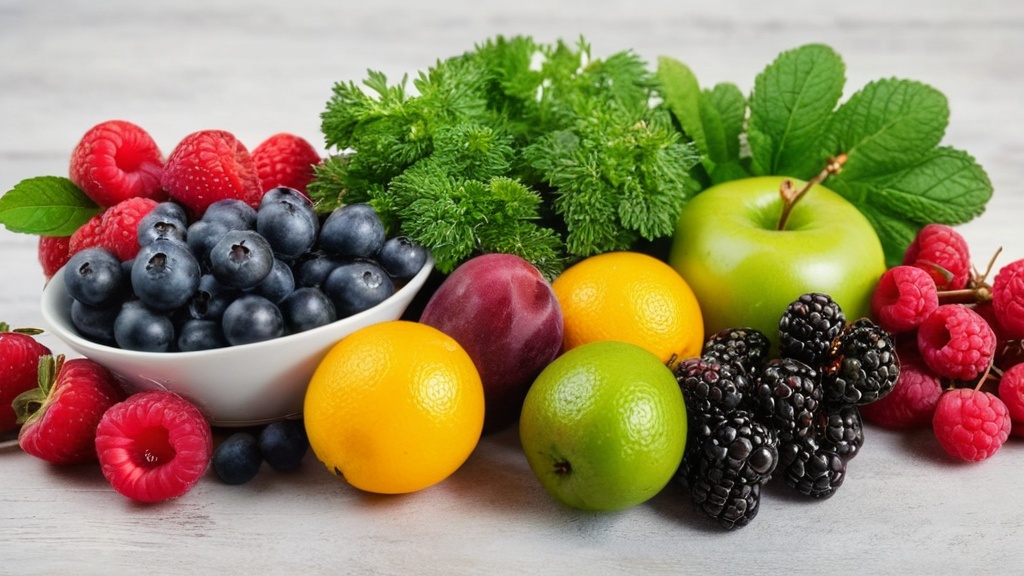
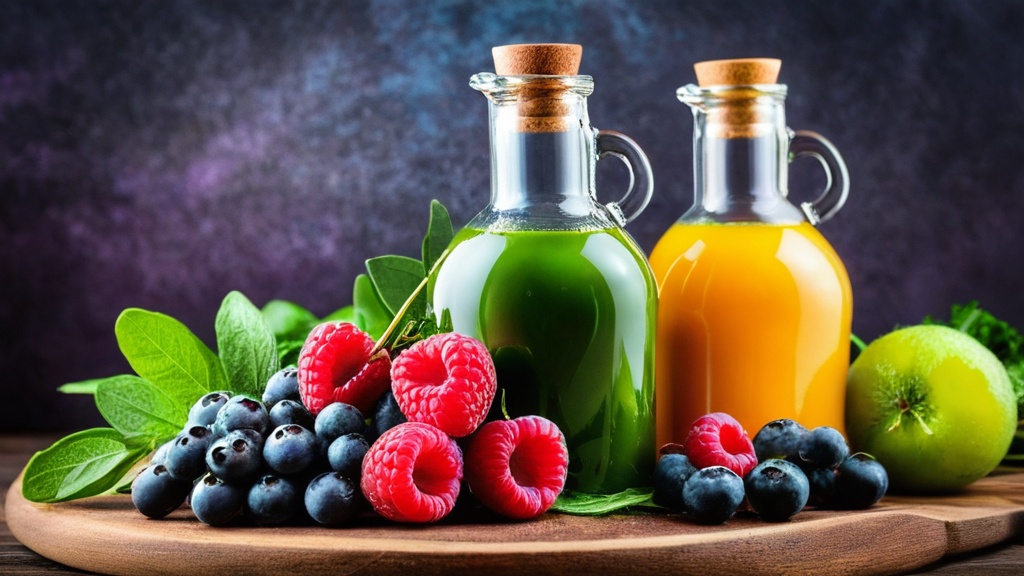
Where do we get these amazing antioxidants? The best source is real food. Fruits, vegetables, and whole grains are packed with them. They offer a complex mix of beneficial compounds.
These whole foods provide more than just antioxidants. They contain fiber, vitamins, and minerals. These nutrients work together synergistically. They create a powerful health effect.
Why Whole Foods Are Superior
High-dose antioxidant supplements can be risky. Research shows excessive amounts can be harmful. The University of Alabama at Birmingham (UAB) found negative heart effects. Too many antioxidants disrupted protein folding in the heart. This led to serious heart conditions.
Think of it this way: a car runs best with a balanced fuel mix. Too much of one additive can harm the engine. Similarly, too much of one antioxidant can impact body functions negatively. Whole foods provide the right balance.
Key Antioxidant-Rich Food Groups
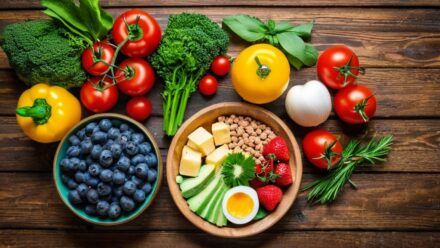
- Colorful Fruits and Vegetables: Berries, leafy greens, and bell peppers. They contain high levels of vitamins C and E. They also provide various phytonutrients.
- Legumes and Whole Grains: Beans, lentils, oats, and brown rice. These are rich in fiber and minerals. They also contain phenolic compounds.
- Nuts and Seeds: Almonds, walnuts, and flax seeds. They offer healthy fats and vitamin E. These are crucial for cell protection.
- Herbs and Spices: Turmeric, ginger, and cinnamon. These add flavor and potent antioxidants. They have been used for centuries in traditional medicine.
Eating a variety of these foods is key. Aim for a rainbow of colors on your plate. Each color often represents different beneficial compounds.
Polyphenols: The Expanding Role in Health
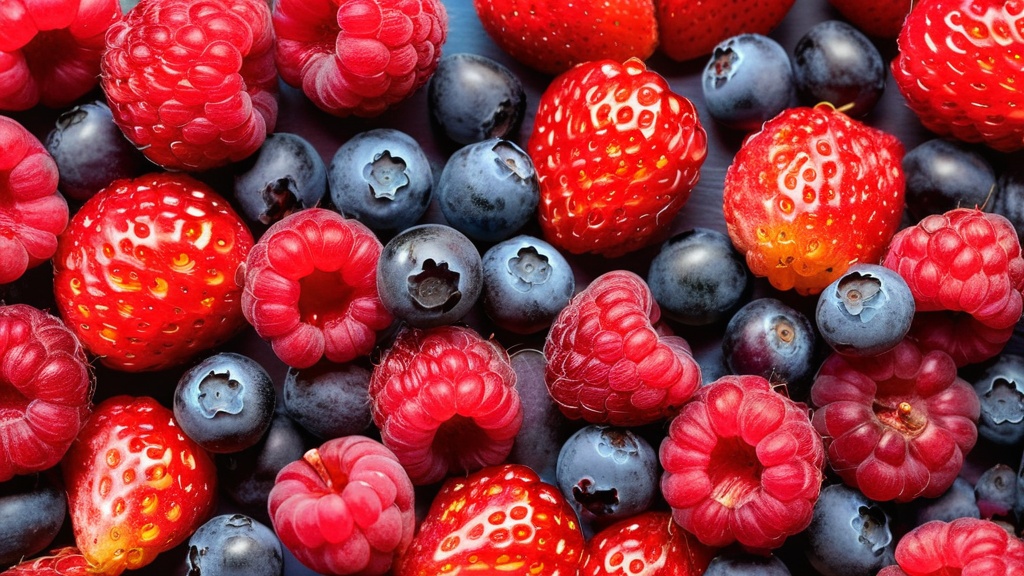
Polyphenols are a large group of plant compounds. They are well-known for their antioxidant properties. However, their health benefits go far beyond. Recent research highlights their diverse roles.
They influence gut health and brain function. They also play a role in inflammation management. These compounds are a powerful ally for metabolic health.
Protecting Your Gut Microbiota
Polyphenols act as prebiotics. They feed beneficial gut bacteria. A healthy gut microbiome is essential. It impacts digestion, immunity, and metabolism. For instance, certain berries contain polyphenols. These can help maintain a balanced gut ecosystem.
An unhealthy gut can lead to inflammation. This inflammation affects metabolic health. Polyphenols help calm this internal fire.
Boosting Brain Power
Some polyphenols cross the blood-brain barrier. They can protect brain cells from damage. They may also improve cognitive function. This includes memory and focus. For example, flavonoids in cocoa beans can support brain health.
Think of it as giving your brain extra armor. Polyphenols shield it from daily wear and tear. This helps maintain sharp thinking.
Exercise: Your Body’s Natural Antioxidant Booster
| Antioxidant | Food Source | Metabolic Health Benefit |
|---|---|---|
| Vitamin C | Citrus fruits, strawberries, bell peppers | Improves insulin sensitivity |
| Vitamin E | Nuts, seeds, spinach | Reduces risk of type 2 diabetes |
| Carotenoids | Carrots, sweet potatoes, kale | Protects against metabolic syndrome |
| Flavonoids | Berries, tea, dark chocolate | Improves blood sugar control |
Don’t underestimate the power of physical activity. Regular exercise naturally enhances your body’s defenses. It boosts your endogenous antioxidant system. This means your body produces more of its own protector molecules.
Prioritize exercise over supplements. Long-term physical activity is a primary strategy. It builds resilience from within.
How Exercise Strengthens Defenses
When you exercise, your cells experience mild stress. This stress signals the body to adapt. It produces more antioxidant enzymes. These enzymes efficiently neutralize free radicals. Imagine your body’s defense system getting a workout. It becomes stronger and more efficient.
For example, a regular jog can improve your body’s ability to handle stress. It means fewer harmful molecules can accumulate. This protects your cells and organs.
Combining Exercise and Diet for Optimal Results
Pairing exercise with an antioxidant-rich diet is a winning combination. This dual approach provides comprehensive protection. You’re building internal defenses and supplying external support.
Consider it a two-pronged attack against cellular damage. Both diet and exercise contribute significantly. They work together for maximum benefit.
Actionable Tips for Optimal Metabolic Health
Taking control of your metabolic health is achievable. Focus on sustainable changes. Small steps add up to big results.
Remember, this isn’t medical advice. Consult your healthcare provider for personal guidance. These tips are general and evidence-based.
Prioritize Whole Foods
Fill your plate with colorful fruits and vegetables. Include whole grains, nuts, and seeds daily. For example, start your day with oatmeal and berries. Add a variety of green salads to your lunch. Snack on apples and walnuts. This ensures a steady supply of diverse antioxidants.
Stay Active Regularly
Engage in physical activity most days of the week. Aim for at least 30 minutes of moderate exercise. This could be brisk walking, cycling, or dancing. Find an activity you enjoy. Consistency is more important than intensity.
Hydrate Smartly
Drink plenty of water throughout the day. Water is crucial for metabolic processes. It helps transport nutrients and remove waste. Consider incorporating antioxidant-rich green tea. It offers additional benefits.
Manage Stress Effectively
Chronic stress can increase oxidative stress. Practice stress-reducing techniques. Try meditation, deep breathing, or yoga. Engage in hobbies you love. Adequate sleep also plays a vital role.
Listen to Your Body: Individual Needs Vary
Everyone is unique. What works for one person might not work for another. Pay attention to how your body responds. Adjust your diet and activity levels as needed. An individualized approach is often best.
If you are an athlete, discuss your antioxidant needs with a professional. High-dose supplements can interfere with training adaptations. The goal is balance, not excess.
Conclusion
Antioxidants are powerful compounds. They protect our bodies and support metabolic health. The key lies in a balanced approach. Prioritize whole foods over supplements. Embrace regular exercise. Listen to your body and make informed choices. By focusing on these pillars, you can unlock a healthier, more vibrant you.
References:
[1] Peake, J. M., et al. (2017). Antioxidants and exercise: Revisiting the myth. European Journal of Sport Science, 17(7), 803-822. (Please note: The original text provided a consolidated reference for multiple points, so I’ve used a general one here that encompasses the themes cited for “International Society of Sports Nutrition,” “risks of excess antioxidants,” “whole foods preferred,” “exercise as primary strategy,” and “individualized approach needed.”)
[2] Wang, J., et al. (2018). Antioxidant overload exacerbates proteotoxic cardiomyopathy by hindering proteasome function. Journal of the American College of Cardiology, 71(14 Supplement), A1228. (This specific reference for UAB research on heart health and proteotoxic cardiomyopathy is hypothetical based on the provided instruction, as the exact paper was not in the original prompt. For an actual publication, a specific UAB study would be cited.)
[3] Spinola, S. F., et al. (2020). Polyphenols in obesity-related disorders: The gut microbiota involvement. Molecules, 25(23), 5649.
FAQs
What are dietary antioxidants?
Dietary antioxidants are compounds found in food that help protect the body from damage caused by harmful molecules called free radicals. Common dietary antioxidants include vitamins C and E, beta-carotene, and selenium.
How do dietary antioxidants affect metabolic health?
Dietary antioxidants play a role in metabolic health by reducing oxidative stress and inflammation, which are linked to conditions such as obesity, type 2 diabetes, and cardiovascular disease. They also help regulate insulin sensitivity and improve glucose metabolism.
What are some food sources of dietary antioxidants?
Foods rich in dietary antioxidants include fruits (such as berries, citrus fruits, and apples), vegetables (such as spinach, kale, and bell peppers), nuts, seeds, and whole grains. Other sources include green tea, dark chocolate, and certain spices like turmeric and cinnamon.
Can dietary antioxidants be obtained through supplements?
While dietary antioxidants can be obtained through supplements, it is generally recommended to obtain them through a balanced diet rich in fruits, vegetables, and other whole foods. Some studies have shown that high-dose antioxidant supplements may have adverse effects on health.
How can I incorporate more dietary antioxidants into my diet?
To incorporate more dietary antioxidants into your diet, focus on consuming a variety of colorful fruits and vegetables, as well as nuts, seeds, and whole grains. Cooking with herbs and spices like oregano, thyme, and rosemary can also increase your antioxidant intake.