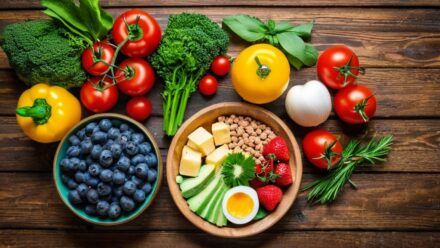

Imagine your body as a high-performance engine. What fuel do you put in it? Your diet has a profound impact on your overall health. Let’s explore how dietary trends are shaping population health. This journey will offer insights into what our bodies truly need.
Our gut is more than just a digestive organ. It is a central hub for our immune system. It also influences our cognitive function. A healthy gut microbiome is crucial.
Emerging research highlights the complex relationship between gut bacteria and overall well-being. Think of your gut as a garden. You want to cultivate beneficial microbes. These microbes thrive on specific nutrients. Studies show a direct link between gut health and reduced inflammation throughout the body.
Fiber’s Ascendant Role
Fiber is gaining significant attention. Some call this “fibermaxxing.” Page views on related topics have surged dramatically. This emphasizes a growing public interest.
Fiber acts like a natural broom for your digestive system. It helps move waste through the gut. But its benefits extend far beyond regularity. Soluble fiber feeds beneficial gut bacteria. Insoluble fiber adds bulk to stool. Both are essential for gut health.
Next-Gen Biotics and Fermented Foods
The market for biotics is evolving quickly. Beyond probiotics, postbiotics and prebiotics are gaining traction. These help create a favorable gut environment. Fermented foods offer a natural way to ingest beneficial microbes. Think of yogurt, kimchi, or sauerkraut. These foods contain live active cultures. They introduce diverse bacteria into your gut.
Introducing new beneficial microbes helps balance your gut flora. This can improve digestion. It may also boost your immune system. Consider adding a small portion of fermented food daily. It’s a simple step with potential big returns.
The Power of Fibrous Foods
Fiber-rich foods are fundamental for gut health. Chia seeds are a fantastic source of soluble fiber. Legumes, like lentils and beans, offer both fiber and protein. Whole grains, fruits, and vegetables are also rich in fiber.
Making these foods a regular part of your diet provides constant nourishment for your gut. For example, add chia seeds to your morning smoothie. Or include a bean salad at lunch. These small changes accumulate over time.
The High Protein Push
Many Americans actively seek protein-rich foods. Dietary guidelines emphasize protein for muscle health. Protein helps repair and build tissues. It also promotes satiety.
However, the source of protein matters. While red meat provides protein, it can be high in saturated fats. Experts increasingly advocate for plant-based protein sources. These often come with added fiber and fewer unhealthy fats.
Balancing Protein with Plant-Based Choices
Plant-based proteins offer a winning combination. Beans and lentils are excellent examples. They provide both protein and abundant fiber. This balance is key for overall health.
Think of it this way: your body needs building blocks (protein) and scaffolding (fiber). Plant sources offer both. Incorporating more plant-based protein can reduce your intake of less healthy fats. It also supports gut health through increased fiber.
Protein for GLP-1 Medication Users
Individuals taking GLP-1 medications may find high-protein diets beneficial. These medications can reduce appetite. Protein helps maintain muscle mass during weight loss. It also helps manage blood sugar levels.
Consult with your healthcare provider for personalized advice. They can help you tailor your protein intake. This ensures it aligns with your health goals and medication needs.
Food as Medicine: A Holistic Approach

Nutrition is increasingly integrated into clinical care. This “food as medicine” approach is gaining ground. It recognizes food’s power to prevent and manage chronic diseases. Conditions like diabetes and heart disease often benefit.
This paradigm shift emphasizes nutrition’s therapeutic potential. It moves beyond just treating symptoms. It aims to address the root causes of illness. This approach empowers individuals.
Medically Tailored Meals
Medically tailored meals are designed for specific health conditions. These meals ensure patients receive appropriate nutrition. They can improve health outcomes. For example, a doctor might prescribe low-sodium meals for heart patients.
Imagine a specialized meal delivery service. It provides healthy, condition-specific food. This helps patients adhere to their dietary needs. It removes the burden of meal planning and preparation.
Culinary Medicine and Education
Culinary medicine combines nutrition science with practical cooking skills. It teaches patients how to prepare healthy, delicious meals. This empowers them to make sustainable dietary changes. Classes might cover balanced meal planning. They could also focus on healthy cooking techniques.
Culturally tailored nutrition education is also vital. Dietary advice must respect diverse traditions. It makes recommendations more accessible and effective. For example, teaching healthy preparations of traditional dishes.
The Fiber-Maxxing Trend

Fiber’s importance is now rivaling protein. Its benefits span gut health, heart health, and cancer prevention. Many are actively seeking ways to boost their fiber intake.
This trend highlights a growing awareness. People understand fiber’s essential role. It’s not just for regularity. It’s a cornerstone of good health.
Prioritizing Whole Foods
The best way to “fibermax” is through whole foods. Fruits, vegetables, nuts, and whole grains are excellent sources. They offer a complex array of nutrients. Processed foods, conversely, often lack fiber.
Think of an apple versus apple juice. The apple provides fiber in its skin and flesh. The juice often removes most of this fiber. Always choose the whole food option when possible. Your gut will thank you.
Benefits Beyond Digestion
Fiber does more than aid digestion. It helps lower cholesterol levels. This supports heart health. Fiber also helps regulate blood sugar. This is crucial for preventing type 2 diabetes.
Furthermore, a high-fiber diet can reduce the risk of certain cancers. Colon cancer, for instance, has been linked to low fiber intake. Fiber actively supports your body’s defenses.
Gender-Based and Precision Nutrition
| Year | Population | Diet | Health Trends |
|---|---|---|---|
| 2010 | 7 billion | High in processed foods | Rising obesity rates |
| 2015 | 7.3 billion | Increased focus on organic and plant-based diets | Decrease in heart disease |
| 2020 | 7.8 billion | Shift towards sustainable and locally sourced foods | Increased awareness of the impact of diet on overall health |
Nutrition needs vary significantly. Gender plays a critical role. Our unique biology, microbiome, and lifestyle all matter. Personalized nutrition is the future.
This approach moves away from one-size-fits-all recommendations. It acknowledges individual differences.
Closing Gender Health Gaps
Nutritional strategies are emerging for women’s health. Fertility, pregnancy, and menopause have specific dietary needs. For example, iron intake is crucial for menstruating women. Calcium and Vitamin D are important for bone health in post-menopausal women.
Men’s health also has distinct nutritional considerations. Heart health and prostate health benefit from specific dietary patterns. Tailoring advice can address these unique requirements effectively.
AI-Powered Personalized Nutrition
Artificial intelligence (AI) is transforming nutrition. It can analyze vast amounts of data. This includes an individual’s biology, microbiome, and lifestyle. AI provides highly personalized dietary recommendations.
Imagine an app that tracks your unique needs. It suggests foods based on your genetic markers. It also considers your gut bacteria. This level of personalization optimizes dietary impact. It’s like having a personal nutritionist in your pocket.
Sustainable and Reduction Trends
Modern diets are evolving towards sustainability. This includes plant-forward choices. It also targets reducing unhealthy components. We are seeing a move towards more conscious eating.
This shift considers both personal health and planetary well-being. It’s a holistic view of food.
Plant-Forward Diets
Plant-forward eating emphasizes plant-based foods. It doesn’t necessarily mean strictly vegetarian or vegan. It encourages consuming more fruits, vegetables, grains, and legumes. This approach reduces environmental impact.
Consider “meatless Mondays” as an example. Even small shifts can make a difference. Plant-rich diets are associated with better health outcomes. They also require fewer resources to produce.
Sodium, Sugar, and Fat Reductions
Global health organizations advocate for reductions. The WHO recommends less than 5 grams of salt per day. Many people consume far more. Excess sodium contributes to high blood pressure.
Reducing added sugars is also critical. These contribute to weight gain and chronic diseases. Natural sweeteners, like stevia, offer alternatives. Limiting unhealthy fats, especially saturated and trans fats, is also a focus. This reduces risks of heart disease.
Regenerative Agriculture
Regenerative agriculture practices promote soil health. This leads to more nutrient-dense foods. It also enhances biodiversity. It’s a sustainable way to produce food.
Imagine farming methods that heal the land. They improve soil structure and water retention. This results in healthier ecosystems. It also means healthier food on our plates. Choosing products from regenerative farms supports this movement.
Top Diets: Evidence-Based Choices
Certain dietary patterns consistently rank high for health. These are supported by strong scientific evidence. They offer a blueprint for healthy eating. They focus on balance and whole foods.
These diets are not fads. They represent sustainable, healthy eating habits. They provide a framework for long-term well-being.
Mediterranean Diet
The Mediterranean diet consistently ranks among the healthiest. It emphasizes plant-based foods. This includes fruits, vegetables, whole grains, nuts, and olive oil. Fish and poultry are consumed moderately. Red meat is eaten rarely.
This diet is rich in antioxidants and healthy fats. It is associated with reduced risk of heart disease. It also links to lower rates of certain cancers. Studies often highlight its benefits for longevity.
DASH Diet
The DASH (Dietary Approaches to Stop Hypertension) diet is also highly recommended. It focuses on reducing blood pressure. It emphasizes fruits, vegetables, and low-fat dairy. It limits saturated fat, cholesterol, and sodium.
This diet has proven effective in clinical trials. It’s not just about what you eat. It’s also about a balanced approach to food. Many principles overlap with the Mediterranean diet.
U.S. News Rankings
U.S. News & World Report routinely ranks diets. The Mediterranean and DASH diets consistently top these lists. This highlights their enduring scientific backing. They are not simply popular; they are effective.
These rankings help guide consumers. They provide reliable information. Choosing a highly-ranked diet offers a solid foundation for health.
Convenience Innovations
Life is busy. Convenient, healthy food options are essential. The market is responding with innovative solutions. These help maintain a healthy diet despite a demanding schedule.
These innovations aim to make healthy eating easier. They remove common barriers like time and preparation.
Customizable Meal Kits
Meal kits offer pre-portioned ingredients and recipes. Many now focus on clean ingredients. They remove artificial additives. Customizable options cater to dietary preferences.
Imagine receiving a box with everything needed for a healthy dinner. This reduces food waste. It also makes cooking enjoyable and less stressful. Many services offer family-sized portions.
Nutrient-Dense Meals
These meal kit services often prioritize nutrient density. They focus on whole, unprocessed foods. This ensures balanced nutrition. They help fight the temptation of unhealthy takeout.
Finding healthy and convenient options is no longer a challenge. These innovations support a healthy lifestyle. They empower you to make good food choices.
Food trends reflect a deeper understanding of human health. From gut health to personalized nutrition, our relationship with food is evolving. These insights offer pathways to a healthier future. By embracing evidence-based approaches, you can optimize your well-being.
FAQs
What are population diet health trends?
Population diet health trends refer to the patterns and changes in the eating habits and nutritional choices of a specific group of people over a period of time. These trends can include shifts in consumption of certain foods, changes in dietary preferences, and the impact of these changes on overall health and well-being.
What factors influence population diet health trends?
Population diet health trends can be influenced by a variety of factors, including cultural and societal norms, economic conditions, access to food and resources, marketing and advertising, as well as individual preferences and beliefs about nutrition and health.
How do population diet health trends impact public health?
Population diet health trends can have a significant impact on public health, as they can contribute to the prevalence of certain health conditions such as obesity, diabetes, cardiovascular disease, and other diet-related illnesses. These trends can also affect overall nutritional status and well-being of a population.
What are some current population diet health trends?
Some current population diet health trends include a growing interest in plant-based diets, increased consumption of processed and convenience foods, a focus on sustainable and ethical food choices, and a rise in awareness of the impact of diet on chronic diseases.
How can individuals and communities address population diet health trends?
Individuals and communities can address population diet health trends by promoting education and awareness about nutrition and healthy eating, advocating for policies that support access to nutritious foods, and encouraging sustainable and balanced dietary choices. Additionally, promoting physical activity and exercise can also play a role in addressing population diet health trends.